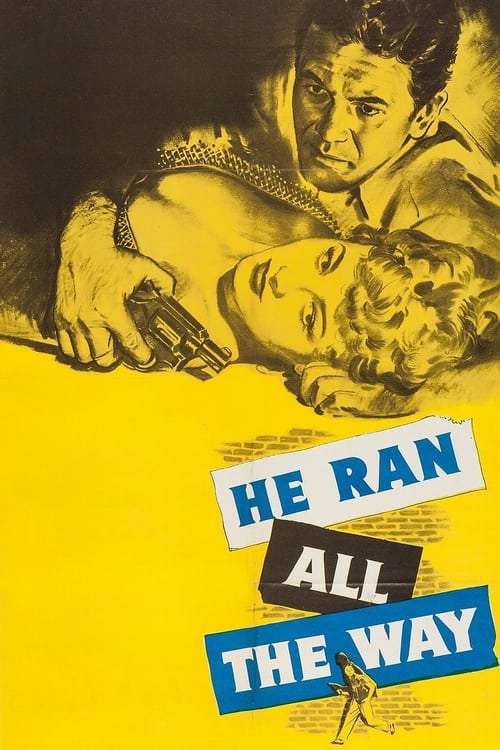
He Ran All the Way
1951
No user ratings available yet
Diversity score: 2.4 out of 10
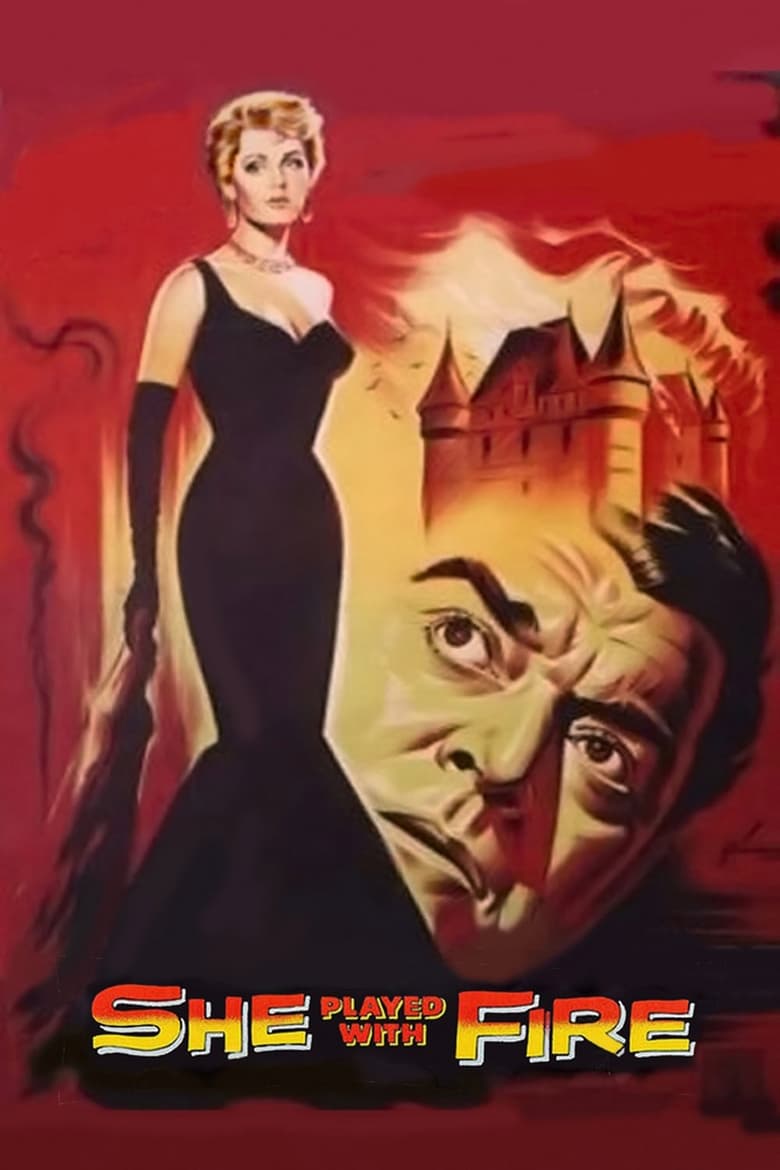
1957
ApprovedDirector
Sidney Gilliat
Runtime
95 minutes
Average Rating
No ratings yetSynopsis
An insurance man discovers his ex-girlfriend and her husband's art-forgery/arson scam.
Overall Score
Limited
Category Breakdown
LGBTQ+ Representation
The film lacks depictions of non-heteronormative identities or same-sex intimacy. The plot focuses on conventional romantic structures typical of 1950s crime thrillers.
Gender Representation
The female lead displays agency and intellectual complexity by orchestrating a complex art-forgery scam. However, her role risks leaning into the era's femme fatale trope.
Racial & Ethnic Diversity
The production reflects the homogeneous casting standards of 1957 British cinema. There is no evidence of significant non-Anglo-Saxon representation or race-bent casting.
Religious & Cultural Diversity
The narrative centers on individual greed and deception within a traditional crime framework. It upholds mid-century moral structures rather than offering systemic critiques.
Disability Representation
There is no evidence of characters with visible or invisible disabilities within the narrative.
Strengths
Areas for Improvement
AI Analysis
Fortune Is a Woman is a mid-century crime thriller that prioritizes genre mechanics and suspense over diverse representation. While the female lead avoids being a passive victim through her involvement in a sophisticated scam, the film remains tethered to the social and cinematic constraints of its era. The narrative lacks intersectional depth, offering little in the way of LGBTQ+ identities or racial diversity. It functions primarily as a character study of greed, adhering to the standard moral and casting norms of 1950s British filmmaking.
1951
1950
1967
1947
1949

1960
1952
1958
1957
1957
1960
1960
No reviews yet. Be the first to share your thoughts on this movie!
Use the rating form above to leave a star rating and optional review.