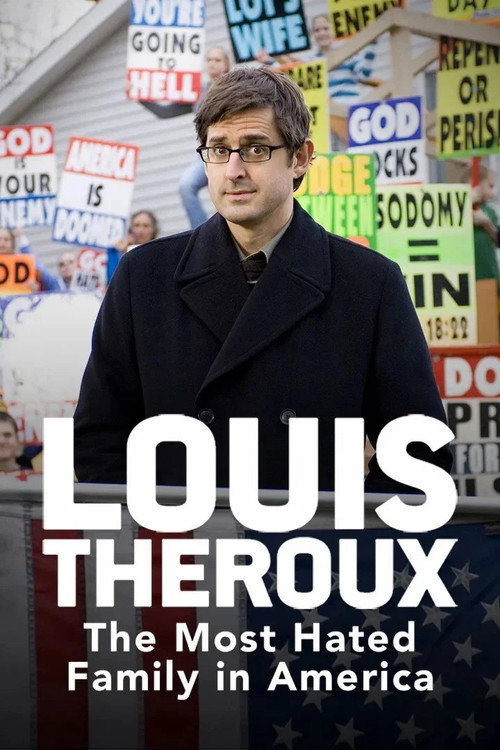
Louis Theroux: The Most Hated Family in America
2007
No user ratings available yet
Representation score: 2.3 out of 10
Representation Score
Fair
2019
Director
Geoffrey O'Connor
Runtime
60 minutes
Average Rating
No ratings yetNew Showbiz Analysis
This documentary serves as a journalistic deconstruction of an extremist religious subculture. It critiques rigid, exclusionary hierarchies and the mechanics of intolerance. While the film lacks demographic breadth regarding race and gender, it offers a strong analytical critique of cultural and identity-based exclusion. It positions viewers to observe the friction between fringe fundamentalism and broader societal norms. The narrative structure emphasizes the value of pluralism by documenting a system that rejects mainstream social progress and secular inquiry.
Category Breakdown
The film highlights the Westboro Baptist Church's hostility toward LGBTQ+ identities, critiquing the exclusionary rhetoric that impacts underrepresented groups.
Gender roles are shown through strict patriarchal structures within the Kolf family, highlighting rigid hierarchies without endorsing them as universal norms.
The documentary focuses on a homogeneous white American family, lacking racial diversity. The narrow focus is intentional to explore a specific religious identity.
The film analyzes religious fundamentalism as a socially isolating force, critiquing how extreme, non-secular dogmas can lead to social division and radicalization.
There are no significant depictions of physical disabilities or neurodivergence that serve as central character arcs within the documentary.
Present on Screen
Limited or Absent
Official Synopsis
Louis returns to visit the Westboro Baptist Church in the wake of the death of its leader.
2007

2016
2011
2015
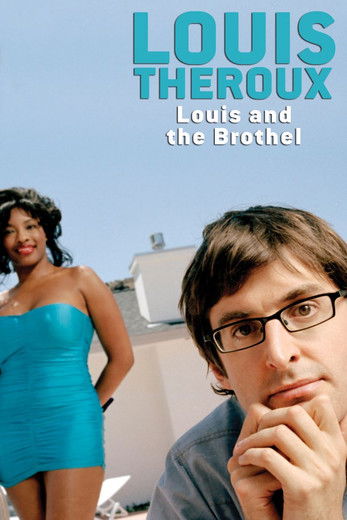
2003
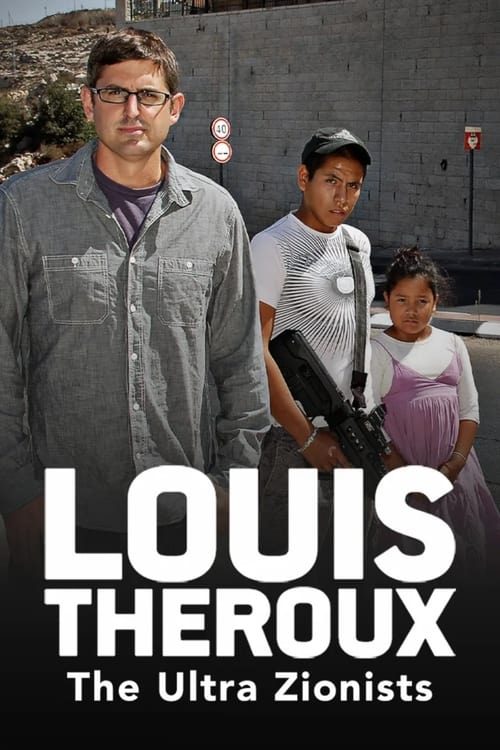
2011
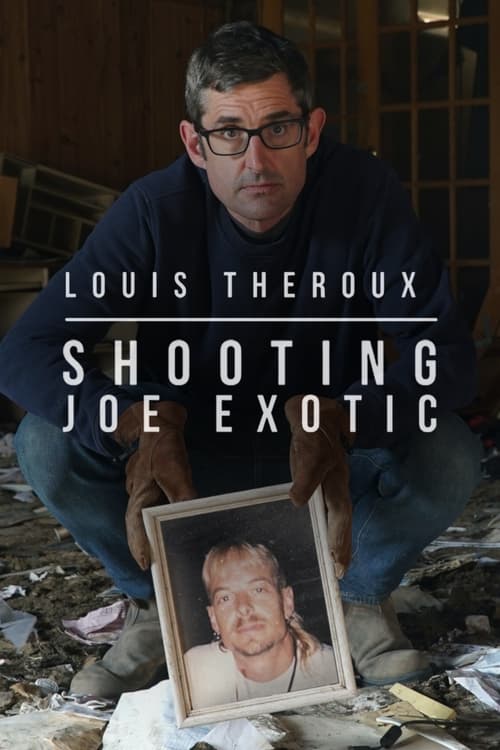
2021
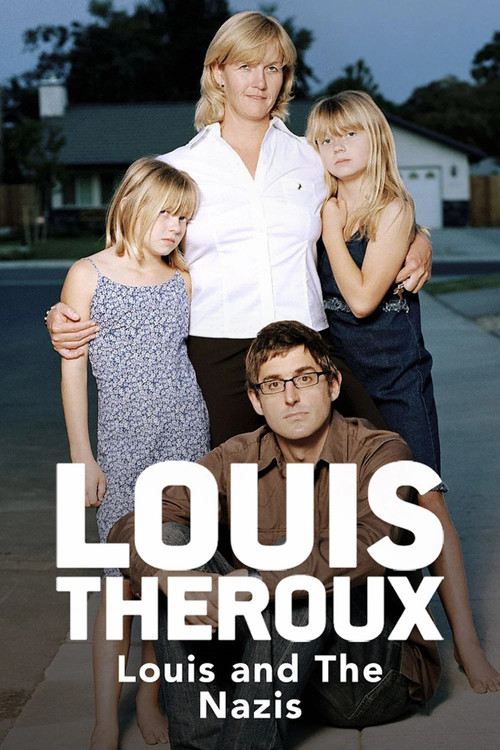
2003
No reviews yet. Be the first to share your thoughts on this movie!
Use the rating form above to leave a star rating and optional review.