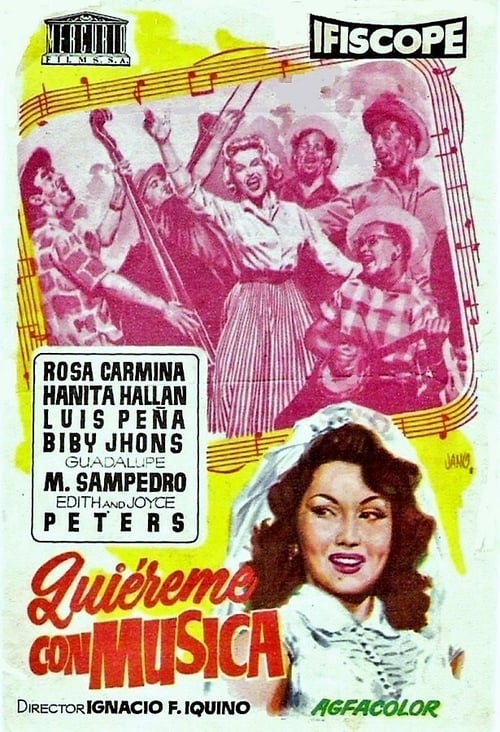
Quiéreme con música
1957
No user ratings available yet
Representation score: 2.5 out of 10
Representation Score
Limited
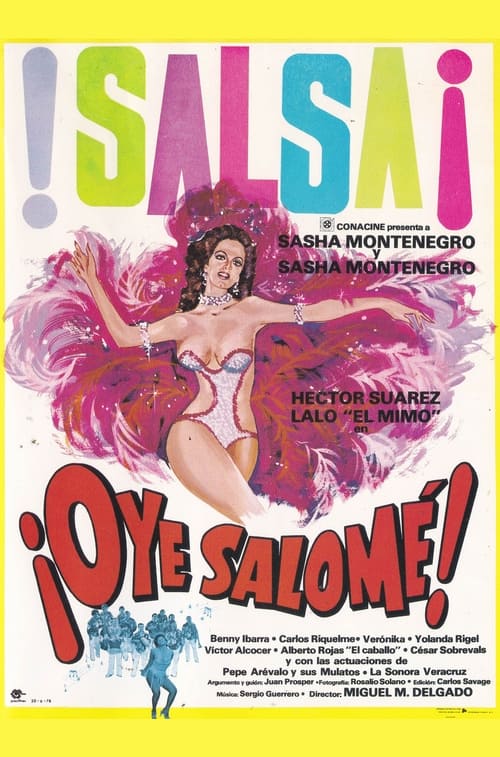
1978
Director
Miguel M. Delgado
Runtime
95 minutes
Average Rating
No ratings yetNew Showbiz Analysis
Oye Salomé! is a traditional musical comedy that relies heavily on established social archetypes. While it offers a vibrant celebration of regional Mexican culture and musicality, it does not challenge the status quo significantly. The film's strength lies in its cultural specificity, using music and community settings to ground the story. However, the narrative structure remains tied to conventional romantic clichés and patriarchal frameworks. Ultimately, the film reinforces traditional social hierarchies rather than subverting them.
Category Breakdown
The film does not include any LGBTQ+ identities or queer narratives. The central romantic tension revolves around a traditional relationship between a male protagonist and a female lead.
The female lead uses a dual-identity cliché to move between religious and secular social spheres. However, the plot remains focused on the male protagonist's romantic pursuit.
The film celebrates Mexican cultural identity through local musical traditions such as salsa. It centers on non-Anglo-Saxon identities within community-specific settings like the local parish.
Religious practice is a core part of the characters' social lives. The narrative reinforces established moral norms and traditional Western and religious institutions.
There is no mention of characters with visible or invisible disabilities in the narrative.
Present on Screen
Limited or Absent
Official Synopsis
Young Guadalupe and her boyfriend love music. She plays flute and he plays clarinet. On Sundays, after attending mass, they give concerts in their parishes. Salome is a young girl who dances salsa every night. All the men who frequent the room where she dances fall in love with her, especially Raúl, a mechanic convinced that his love is impossible, but it turns out that Guadalupe and Salomé are the same person and their love is realized, in spite of the clarinetist.
1957
1967

1979
1956

1942

1957

1968
1963
No reviews yet. Be the first to share your thoughts on this movie!
Use the rating form above to leave a star rating and optional review.