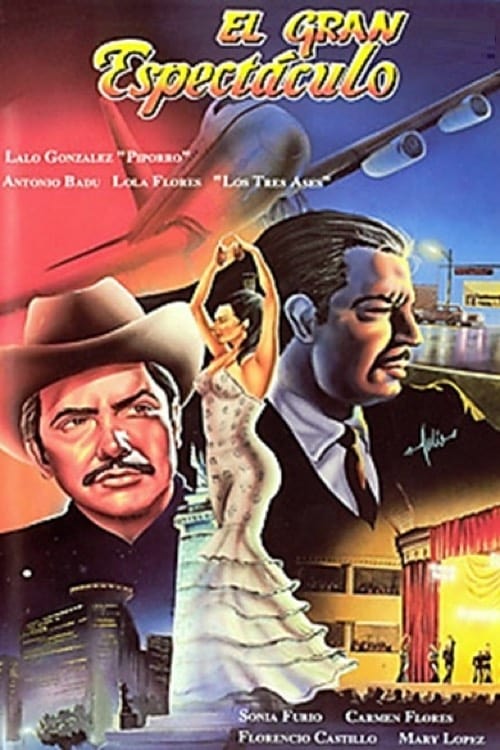
El gran espectáculo
1958
No user ratings available yet
Representation score: 2.3 out of 10
Representation Score
Minimal
1963
Director
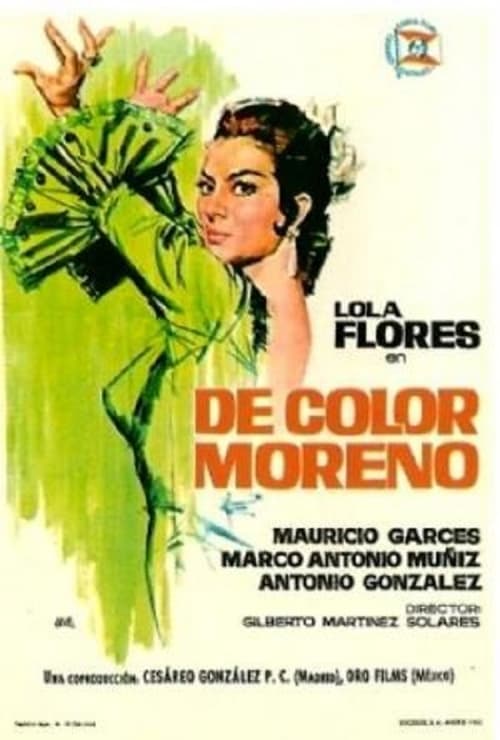
Gilberto Martínez Solares
Average Rating
No ratings yetNew Showbiz Analysis
De color moreno is shaped by its time period, using the musical comedy genre to explore themes of identity and charisma. While the title suggests an intentional focus on racial identity, the film stays within the traditional social and moral norms of 1960s cinema. The production relies on well-established cultural forms and traditional entertainment structures. It does not offer narratives that challenge systemic social norms or provide representation for underrepresented identities like the LGBTQ+ community. Ultimately, the film reflects the cultural cohesion and populist energy of mid-century Mexican media, prioritizing traditional values over social disruption.
Category Breakdown
The film does not include any LGBTQ+ characters or non-cisgender identities. It follows the straight-centered social standards typical of 1963 musical comedies.
Lola Flores brings a strong female presence to the film, showcasing significant charisma and influence. However, it is unclear if her performance challenges traditional gender roles.
The title implies a focus on skin tone and complexion, suggesting a theme around mixed heritage or the celebration of specific ethnic appearances.
The film adheres to traditional cultural forms, emphasizing folk music and popular entertainment. It upholds the social values and cultural unity of mid-century Mexican media.
There is no evidence of physical or cognitive disabilities being portrayed in this production.
Present on Screen
Limited or Absent
1958
1955
1957
1969
1975

1968
1966

1973
No reviews yet. Be the first to share your thoughts on this movie!
Use the rating form above to leave a star rating and optional review.