Replay
2001
No user ratings available yet
Diversity score: 7.0 out of 10
1997
PG-13Director
Marleen Gorris
Runtime
97 minutes
Average Rating
No ratings yetSynopsis
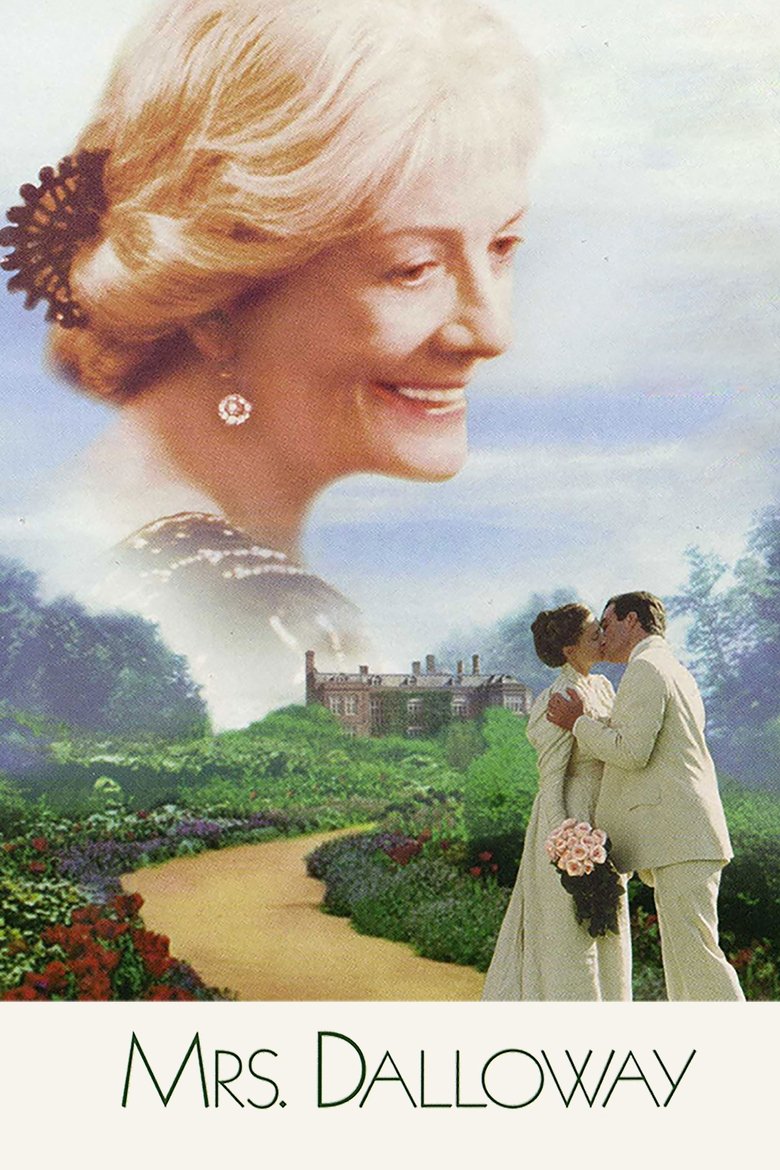
Clarissa Dalloway looks back on her youth as she readies for a gathering at her house. The wife of a legislator and a doyenne of London's upper-crust party scene, Clarissa finds that the plight of ailing war veteran Septimus Warren Smith reminds her of a past romance with Peter Walsh. In flashbacks, young Clarissa explores her possibilities with Peter.
Overall Score
Good
Category Breakdown
LGBTQ+ Representation
The film centers the intimate connection between Clarissa Dalloway and Sally Seton. This relationship critiques Edwardian heteronormative constraints rather than serving as a peripheral subplot.
Gender Representation
Clarissa is portrayed as a complex consciousness rather than a mere hostess. The narrative highlights the psychological toll of restrictive social roles and traditional gender hierarchies.
Racial & Ethnic Diversity
The cast is predominantly homogeneous, reflecting the socioeconomic milieu of post-WWI London. This historical accuracy results in a lack of intersectional racial diversity.
Religious & Cultural Diversity
The film critiques the rigidity of the British class system and medical establishment. It frames institutional authority as an oppressive force incapable of understanding individual trauma.
Disability Representation
Septimus Smith’s mental health struggles are central to the film's depth. The narrative avoids spectacle, presenting neurodivergence as a tragic confrontation with a world demanding conformity.
Strengths
Areas for Improvement
AI Analysis
Marleen Gorris delivers a sophisticated study of identity versus social performance. By prioritizing psychological interiority over period formalities, the film disrupts traditional drama archetypes to explore feminist perspectives. The production excels in its nuanced handling of queer intimacy and mental health. It successfully subverts domestic tropes and critiques the systemic failures of the medical and class institutions of the era. However, the film remains limited by its historical setting. The lack of racial diversity reflects the specific demographic realities of the upper-crust London society depicted.
2001

2016
2006
1974

2016

1995

1988
2001
1986

1984

1989
1974
No reviews yet. Be the first to share your thoughts on this movie!
Use the rating form above to leave a star rating and optional review.