
Both Sides of the Blade
2022
No user ratings available yet
Representation score: 6.2 out of 10
Representation Score
Excellent
2001
UnratedDirector
Catherine Corsini
Runtime
96 minutes
Average Rating
No ratings yetNew Showbiz Analysis
Catherine Corsini’s drama succeeds as a profound study of female subjectivity. By centering the plot on the volatile, lifelong connection between Nathalie and Louise, the film challenges traditional romantic structures and patriarchal hierarchies. It replaces standard narrative climaxes with a complex exploration of desire and identity. However, the film's impact is somewhat limited by its lack of diverse racial backgrounds. The social circle remains largely homogeneous, which restricts the scope of its cultural commentary. While the psychological depth is significant, the reliance on mental health crises as narrative drivers risks falling into familiar patterns. Ultimately, the film is a progressive work that challenges assumptions about straight relationships. It offers a sophisticated look at how women's ability to drive the story and non-traditional bonds can define a cinematic landscape.
Category Breakdown
The film centers on a lifelong, intense relationship between two women. It explores non-straight relationships and emotional bonds that go beyond typical romantic labels.
Women's ability to drive the story and their professional ambitions are key. By reducing the influence of dominant male figures, the film deconstructs the male gaze and emphasizes female autonomy.
The story seems focused on a localized, homogeneous social circle. There is little evidence of diverse racial backgrounds within the main character arcs.
The narrative prioritizes psychological realism over religious or social structures. It critiques traditional institutions like marriage through a modern lens of instability.
Mental health issues are explored through suicide attempts and obsessive psychological states. These struggles are central to character identity rather than being mere plot devices.
Present on Screen
Limited or Absent
Official Synopsis
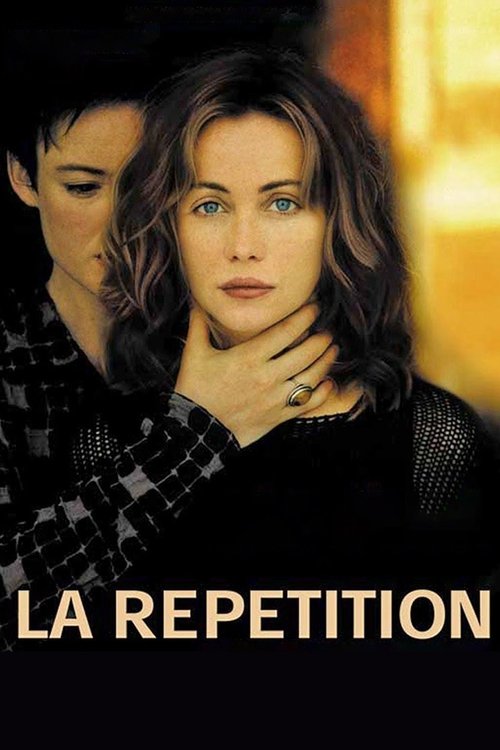
Nathalie and Louise are friends from childhood. While studying drama at University Louise becomes hopelessly obsessed with her friend. Jealous of the male friends she has she breaks up the friendship, followed by a suicide attempt. Later, Louise marries, but finds time to see the, by now quite accomplished actress, Nathalie. They fight through the years, La Repetition following them as their friendship comes together and breaks up frequently, while never actually reaching anything that can be called a climax.
2022

2011

1993
1974

1998
1991

2004

2005
No reviews yet. Be the first to share your thoughts on this movie!
Use the rating form above to leave a star rating and optional review.