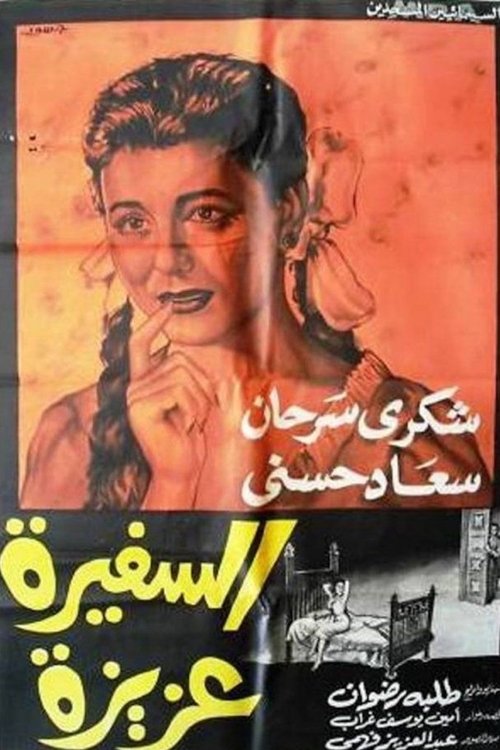
Lady Aziza
1961
No user ratings available yet
Representation score: 3.0 out of 10
Representation Score
Good
1954
TV-14Director
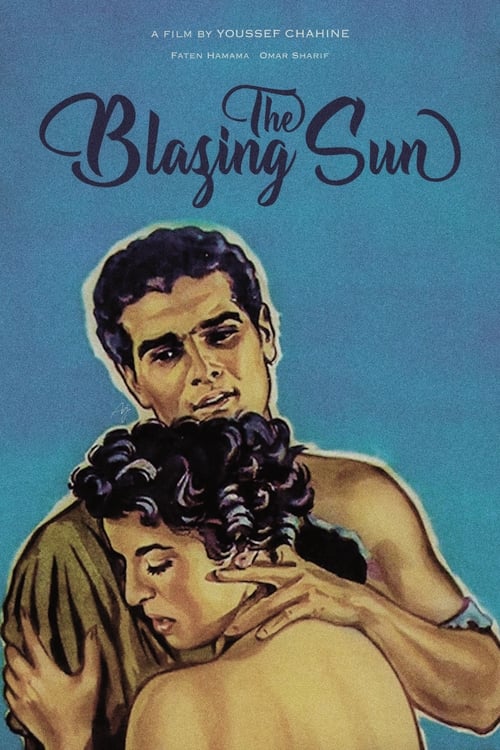
Youssef Chahine
Runtime
116 minutes
Average Rating
No ratings yetNew Showbiz Analysis
The Blazing Sun is a sophisticated critique of systemic inequality that uses melodrama to explore class struggle. Despite adhering to the romantic conventions of its time, the narrative architecture disrupts traditional power dynamics. The film effectively portrays the tension between disenfranchised peasants and predatory landlords, elevating the story from a simple romance to a study of social reform and the legitimacy of unchecked wealth. However, the film remains constrained by the era's cinematic limitations, particularly in representing LGBTQ+ identities and disabilities.
Category Breakdown
The film focuses on a heterosexual relationship and does not include any characters with non-straight or non-cisgender identities.
Amal's romantic choices challenge her father's authority, suggesting a move towards greater independence for women within a restrictive society.
The story examines class and regional hierarchies through the struggles of villagers in an agrarian setting, highlighting communal ability to act and indigenous rights.
The film strongly criticizes feudalism and capitalism, emphasizing the collective struggle of those sidelined by oppressive economic systems.
There is no depiction of physical or neurodivergent disabilities in this work.
Present on Screen
Limited or Absent
Official Synopsis
A wealthy landlord floods and destroys a village on purpose to prevent the people living there from making a profit off their crops. What he doesn't know is that his own daughter, Amal, is in love with Ahmed, a young man from the village.
1961

1960
1959
1965
1999
1977
1924
1966
No reviews yet. Be the first to share your thoughts on this movie!
Use the rating form above to leave a star rating and optional review.