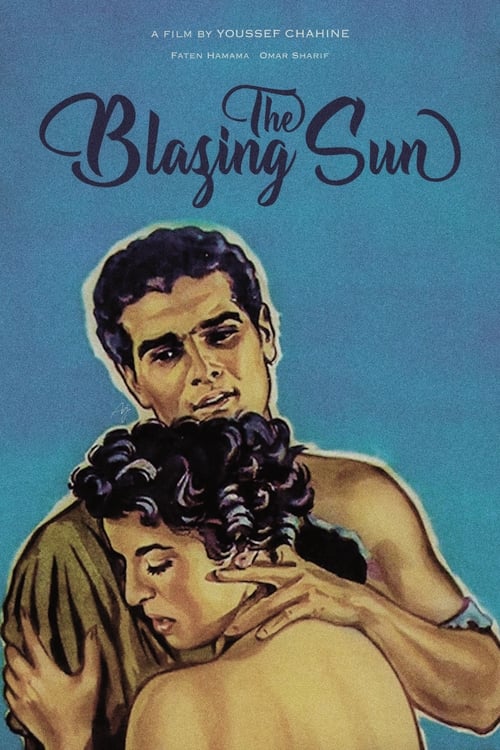
The Blazing Sun
1954
No user ratings available yet
Representation score: 6.3 out of 10
Representation Score
Excellent
1999
Director
Youssef Chahine
Runtime
106 minutes
Average Rating
No ratings yetNew Showbiz Analysis
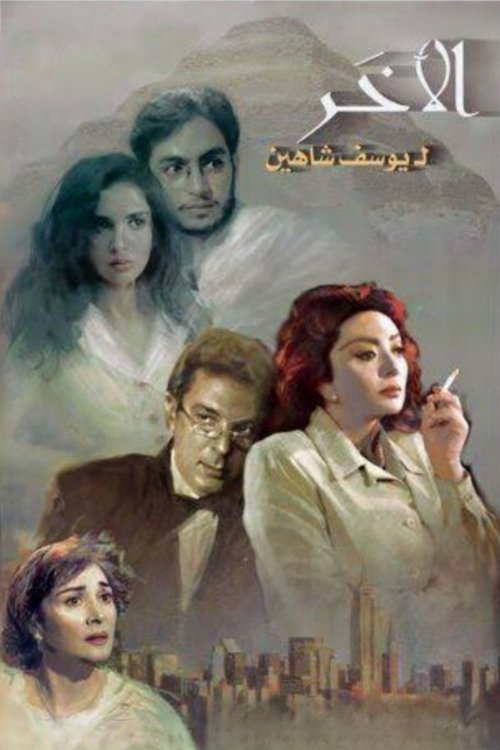
The film offers a sophisticated post-colonial critique using non-linear storytelling to deconstruct identity. By centering the Egyptian experience and challenging Western-centric dominance, it provides a rich thematic depth. However, it lacks explicit representation in specific categories such as LGBTQ+ identities or lived disability. These elements are treated more as metaphors or psychological concepts rather than direct, lived experiences. Ultimately, the film uses narrative structure to interrogate power and memory, going beyond simple inclusion to engage in a deep symbolic critique of the self.
Category Breakdown
The film does not feature explicit LGBTQ+ narratives or non-cisgender identities as central plot drivers. Surrealist elements allow for a fluidity of persona, but the focus is on psychological exploration rather than overt identity politics.
The film challenges traditional gender roles by emphasizing psychological depth over conventional domestic roles. Characters' actions are driven by their subjective, fragmented mental states rather than typical gender archetypes.
The film highlights Egyptian identity and the cosmopolitan history of Alexandria. It presents an Egyptian perspective to challenge Western-centric storytelling and explores the impact of colonialism through the metaphor of the 'other.'
The narrative delves into post-colonial themes, critiquing Western influence. It avoids simplistic morality, framing the tension between local identity and foreign imposition as a central, complex issue.
Psychological fragmentation is examined through a postmodern lens rather than as a depiction of clinical disability. The struggle is metaphorical and existential, focusing on the inability to maintain a cohesive sense of self.
Present on Screen
Limited or Absent
Official Synopsis
Adam is the son of a wealthy Egyptian-American family who is studying at UCLA and returns home for a brief vacation. Upon his arrival he meets beautiful reporter Hanane, with whom he begins an intense love affair, and eventually they marry. Trouble arises when Hanane' s journalistic interests lead her to the corrupt business affairs of Adam's parents, who are interested in building an American tourist compound that would allow Americans further control of Egypt's tourist industry, and make them a whole lot richer.
1954
1991
2009
2012
1961

1992

2000

2004
No reviews yet. Be the first to share your thoughts on this movie!
Use the rating form above to leave a star rating and optional review.