The Debut
1977
No user ratings available yet
Representation score: 5.8 out of 10
Representation Score
Fair
1967
Director
Ali Khamraev
Runtime
88 minutes
Average Rating
No ratings yetNew Showbiz Analysis
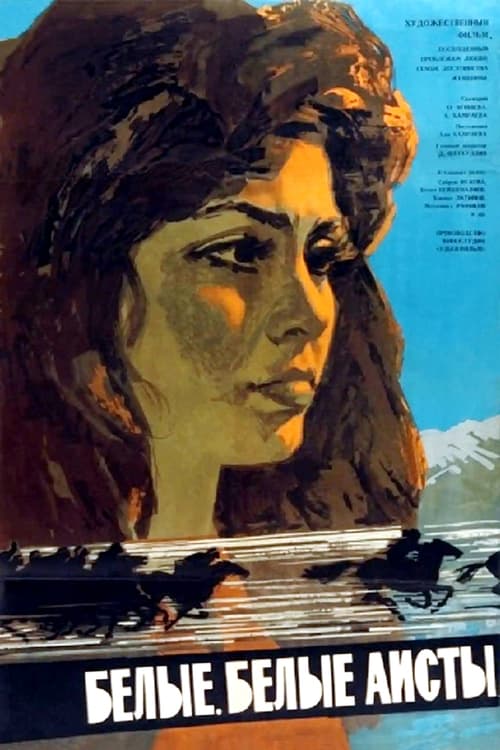
Ali Khamraev’s film stands out for its lyrical exploration of Central Asian identity, moving away from the rigid Soviet stereotypes. By centering a non-Western setting and a female protagonist who challenges social taboos, the film offers a sophisticated look at desire and consequences within a traditional framework. Though the film lacks LGBTQ+ or disability representation, it excels through deep ethnic authenticity and a nuanced approach to morality and human connection. The film uses moral relativism to explore human complexity rather than adhering to didactic or institutional structures.
Category Breakdown
The film focuses on a heterosexual affair and does not depict queer identities or non-traditional gender expressions. It emphasizes the disruption of conventional marital relationships.
Malika, a strong-willed protagonist, exercises significant control over her actions and challenges the traditional roles expected of women in rural settings. She pursues an affair that defies societal norms.
The film excels in showcasing Central Asian culture and setting, providing a unique non-Western perspective that contrasts with the homogeneity of the time.
The story prioritizes human connections and agricultural life over religious doctrine. It portrays Malika's choices with poetic understanding rather than strict traditional morality.
There are no prominent depictions of physical or neurodivergent disabilities that play central roles in the narrative.
Present on Screen
Limited or Absent
Official Synopsis
Set in the rural village of White Storks, the story tackles the taboo subject of an extramarital affair. Strong-willed Malika, married but childless, is openly consorting with another man with whom she shares a seemingly tender bond.
1977
1965
1980

1953
1971
1971
1982
1974
No reviews yet. Be the first to share your thoughts on this movie!
Use the rating form above to leave a star rating and optional review.