
Defying the Nazis: The Sharps' War
2016
No user ratings available yet
Representation score: 6.4 out of 10
Representation Score
Limited
2003
Director
Liz Garbus
Runtime
90 minutes
Average Rating
No ratings yetNew Showbiz Analysis
The documentary provides a sophisticated exploration of historical trauma through Edith Hahn's personal experiences. It dismantles the perceived normalcy of a corrupt regime by focusing on individual survival and deception. While the film lacks demographic breadth in its primary subjects, it achieves intellectual depth. It examines the complexities of situational ethics and the tension between individual ability to act and state-mandated hierarchies.
Category Breakdown
The film focuses on heterosexual and cisgender relationships within the Third Reich. It lacks narratives involving non-binary or LGBTQ+ identities and does not critique the assumption that everyone is straight or cisgender.
The documentary highlights Edith Hahn's significant role in a militaristic regime. It examines how strict gender roles confined women to domestic spaces.
The central subjects belong to the perpetrator class, limiting racial diversity among interviewees. However, the narrative uses the protagonist's Jewish identity to critique racialized systemic oppression.
The film explores moral relativism and questions traditional institutional morality. It portrays the social and familial norms of the Nazi state as inherently corrupt and destructive.
There is no significant focus on visible or invisible disabilities as a central narrative component.
Present on Screen
Limited or Absent
Official Synopsis
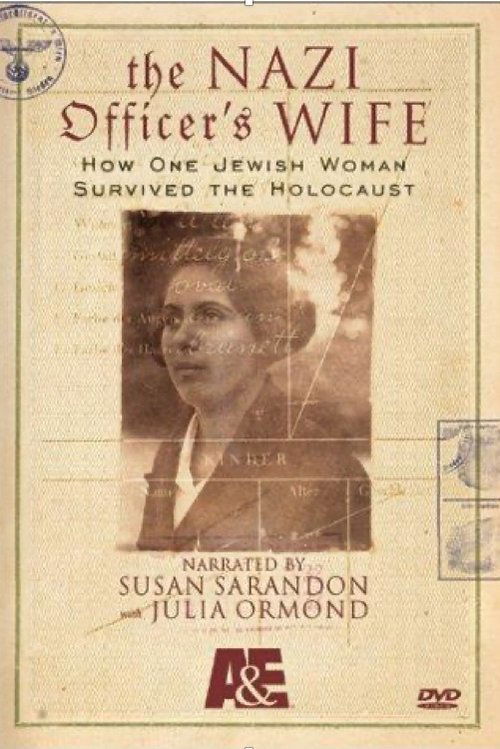
In 1938 Edith Hahn was a Viennese law student - a "Christmas-tree Jew" with a gentile boyfriend. In 1942 she was living under an assumed name in Munich and married to Werner Vetter, a Nazi party member who was later drafted into the Wehrmacht. Based on Hahn's acclaimed memoir, "The Nazi Officer's Wife" is the riveting account of how she survived the Holocaust by posing as an Aryan hausfrau. Despite the risks, she kept painstaking records including real and falsified documents and photos of labor camps. These moving artifacts along with testimony from Hahn and her daughter bring this tale of survival resilience and redemption to life.
2016
1998

2018

1985

1995

2018

2002
1999
No reviews yet. Be the first to share your thoughts on this movie!
Use the rating form above to leave a star rating and optional review.