
The Wonderful Horrible Life of Leni Riefenstahl
1993
No user ratings available yet
Representation score: 2.9 out of 10
Representation Score
Minimal
1999
PG-13Director
Errol Morris
Runtime
91 minutes
Average Rating
No ratings yetNew Showbiz Analysis
Errol Morris presents a specialized investigative documentary that emphasizes philosophical and forensic inquiry over demographic representation. The film serves as a profound exploration of subjective truth and the corruption of institutional authority. While the film lacks traditional diversity markers, it provides a sophisticated critique of Western epistemological structures. It examines how an individual's perceived expertise can conflict with established historical records. Ultimately, the work is a narrow, individualistic portrayal of a singular male subject, resulting in a lack of diverse perspectives.
Category Breakdown
The film contains no LGBTQ+ characters or narratives. The focus remains strictly on the technical and pseudo-scientific claims of the central figure.
The film focuses almost entirely on the male experience, with a notable absence of female characters who play significant roles in the investigation.
The movie concentrates on a specific Western historical controversy, focusing on the forensic arguments of a white male subject without incorporating diverse racial viewpoints.
The film delves into postmodernist themes, examining how technical language can be used to construct a private, subjective truth and the instability of institutional authority.
No visible or invisible disabilities are portrayed as central to the narrative. Characters with disabilities are not utilized as plot devices.
Present on Screen
Limited or Absent
Official Synopsis
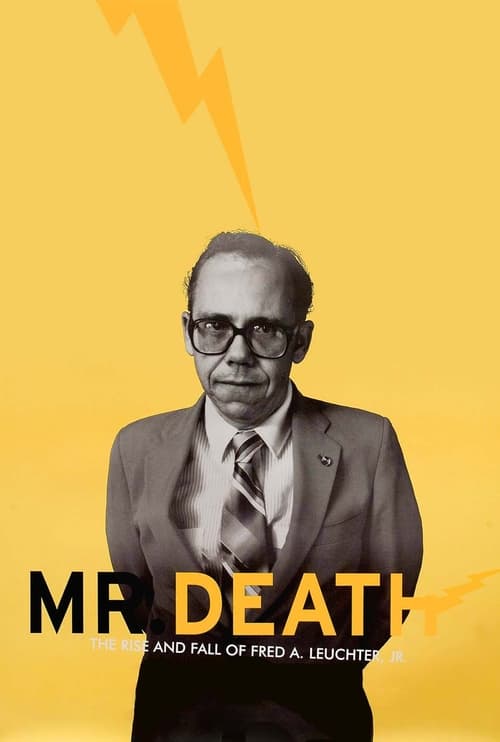
Documentary filmmaker Errol Morris investigates the case of a man who became an authority on capital punishment, but was discredited when he got involved on the wrong side of a court case. Leuchter, a meek man whose appearance belies his grim expertise, develops what he says is a more effective electric chair. Before long, he's in demand from officials who want his opinions on other execution methods. But when called to aid the case of an accused Holocaust denier, Leuchter's problems begin.
1993

1985
2011
1998

2006
1978

2002
2015
No reviews yet. Be the first to share your thoughts on this movie!
Use the rating form above to leave a star rating and optional review.