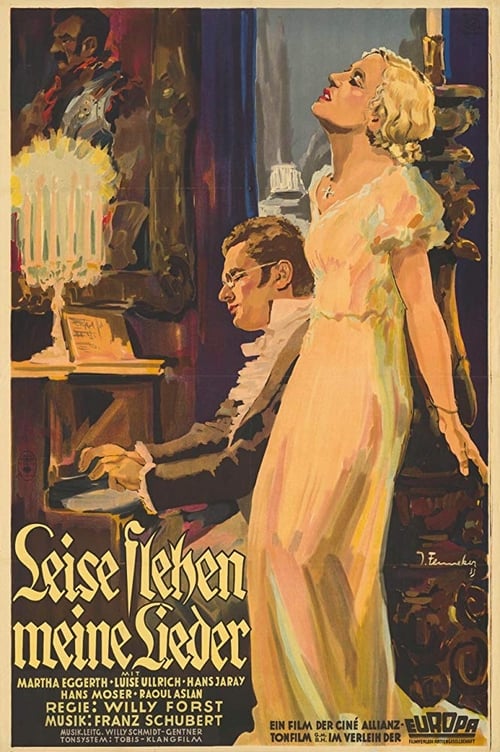
Lover Divine
1933
No user ratings available yet
Diversity score: 2.8 out of 10
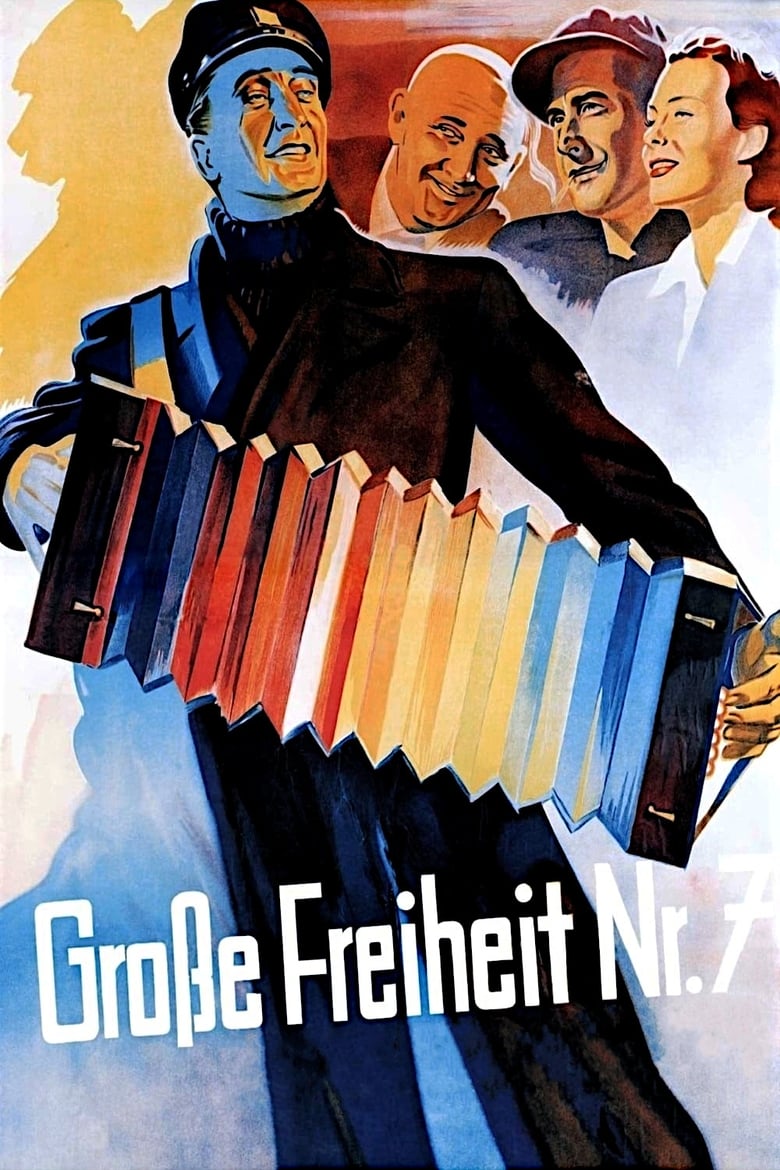
1944
Director
Helmut Käutner
Runtime
109 minutes
Average Rating
No ratings yetSynopsis
Singing sailor Hannes, who now entertains the crowd at St. Pauli's Hippodrome after years at sea, promises his dying brother that he will take care of his ex-girlfriend Gisa. Taking Gisa to Hamburg to live with him, Hannes quickly falls in love with her, but soon has to face Gisa's affection for another man, Willem.
Overall Score
Limited
Category Breakdown
LGBTQ+ Representation
The film centers on a traditional romantic triangle. There is no evidence of non-cisnormative identities or critiques of heteronormativity within the narrative.
Gender Representation
Hannes serves as the primary protagonist navigating emotional crises. While Gisa acts as a catalyst for conflict, she remains largely an object of male affection.
Racial & Ethnic Diversity
The setting and historical context suggest a homogeneous social environment. There is no evidence of intersectional casting or non-white characters.
Religious & Cultural Diversity
The story focuses on personal morality and individual promises. However, it remains rooted in Western maritime traditions without deconstructing these social structures.
Disability Representation
No visible or invisible disabilities are portrayed as central to the character arcs or the driving plot.
Strengths
Areas for Improvement
AI Analysis
Port of Freedom is a character-driven drama that prioritizes individual emotional landscapes over rigid social structures. While Helmut Käutner’s direction suggests a capacity for nuanced storytelling, the film remains firmly within the demographic and narrative constraints of 1944 Germany. The story follows a conventional romantic trajectory, focusing on masculine longing and responsibility. The lack of diverse casting and the adherence to traditional gender roles reflect the era's socio-political environment. Ultimately, the film functions as a localized character study. It explores subjective emotional truths but fails to challenge the period's prevailing social or racial norms.
1933
1938
1934

1950
1933

1957
1950

1953

1954

2001
1946

1942
No reviews yet. Be the first to share your thoughts on this movie!
Use the rating form above to leave a star rating and optional review.