
The Great Waltz
1938
No user ratings available yet
Representation score: 0.5 out of 10
Representation Score
Minimal
1933
Director
Willi Forst
Runtime
88 minutes
Average Rating
No ratings yetNew Showbiz Analysis
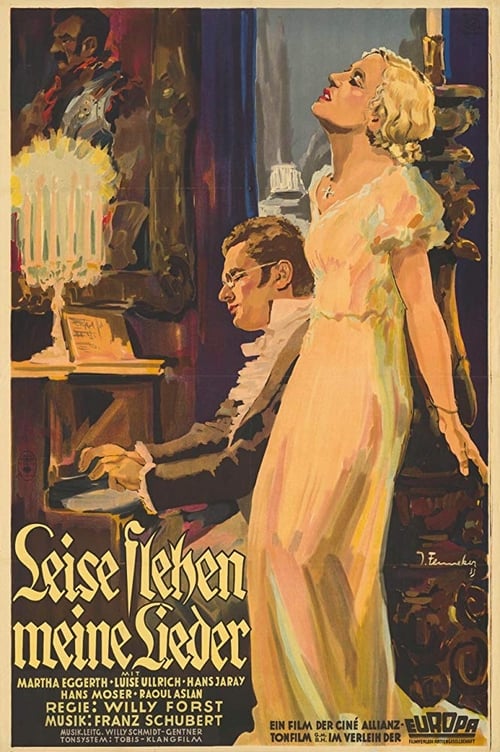
Lover Divine is a period biographical drama that emphasizes historical romanticism and the celebration of Western classical heritage. It focuses on the life and emotional landscape of Franz Schubert within a homogeneous historical setting. The film adheres to the traditional gender roles and romanticized clichés of its time, avoiding exploration of diverse identities or underrepresented perspectives. Ultimately, the work provides a window into the early 1930s European cinematic values, highlighting aesthetic elegance and traditional romantic structures.
Category Breakdown
The film centers on Franz Schubert and follows traditional romantic conventions typical of 1930s European cinema. There are no depictions of same-sex relationships or intimacy.
Female characters mainly serve as muses in a biographical romance. They influence the protagonist but remain within traditional gender roles and romanticized expectations.
Set in 19th-century Austria, the film depicts a homogeneous society focused solely on Western European classical traditions without any racial diversity.
The story highlights Western high culture and the prestige of European classical institutions. It emphasizes the sanctity of the artistic temperament and romantic devotion.
There is no depiction of characters dealing with physical, neurodivergent, or mental health challenges in the narrative.
Present on Screen
Limited or Absent
Official Synopsis
Franz Schubert works as school teacher, yet his mind and soul are in music. When he is engaged as a pianist for an aristocratic soirée he doesn't suspect how this will change his life forever and even determine his unfinished symphony.
1938

1981

1947

1934

1954

1936
1935

1950
No reviews yet. Be the first to share your thoughts on this movie!
Use the rating form above to leave a star rating and optional review.