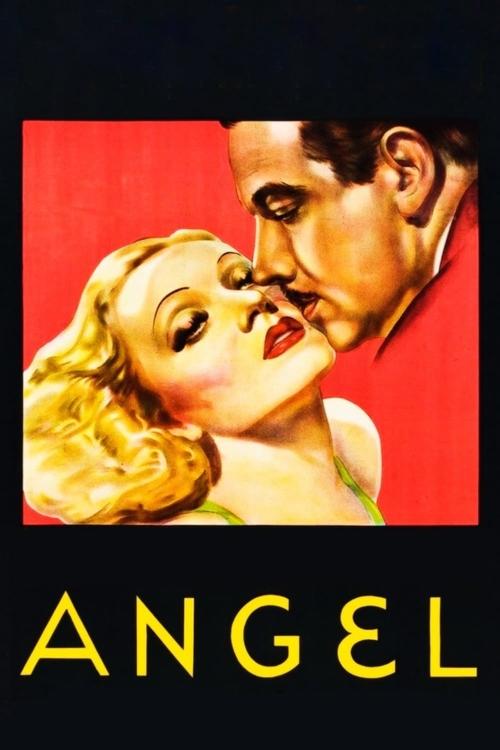
Angel
1937
No user ratings available yet
Representation score: 3.0 out of 10
Representation Score
Limited
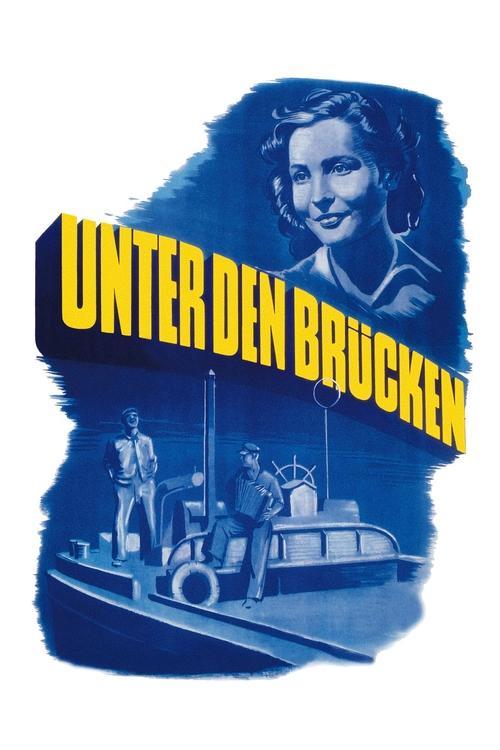
1946
Director
Helmut Käutner
Runtime
99 minutes
Average Rating
No ratings yetNew Showbiz Analysis
Under the Bridges serves as a transitional piece of post-war German cinema, moving away from grand ideological narratives toward humanistic, character-driven storytelling. Its strength lies in its lyrical, observational style and its ability to center women's ability to drive the story within a working-class setting. However, the film is limited by the demographic realities of its era. It lacks representation of LGBTQ+ identities and racial diversity, remaining rooted in the social homogeneity of 1946 Germany. Ultimately, the film's progressive nature is found in its aesthetic shift. By favoring the mundane and the subjective over the nationalistic, it offers a nuanced look at human connection.
Category Breakdown
The film adheres to traditional romantic frameworks of the 1940s. It explores emotional intimacy and unrequited love but does not explicitly include LGBTQ+ identities or challenge the assumption that everyone is straight or cisgender.
The narrative disrupts hierarchies by centering on female perspectives. Through the friendship of Anni and Helene, women play a significant role in driving the story and are not merely accessories.
The setting reflects a largely homogeneous social fabric consistent with 1946 Germany. There is no significant evidence of racial blending or non-majority casting within the depicted community.
Käutner uses Poetic Realism to prioritize small, human moments over grand institutional narratives. This focus on working-class rhythms suggests a move toward secular humanism and away from rigid propaganda.
The film focuses on the social and romantic interactions of the able-bodied working class. There is no significant evidence regarding the portrayal of physical or neurodivergent disabilities.
Present on Screen
Limited or Absent
Official Synopsis
Two barge skippers fall in love with the same woman.
1937
1934
1936
1938
1944
1952
1953
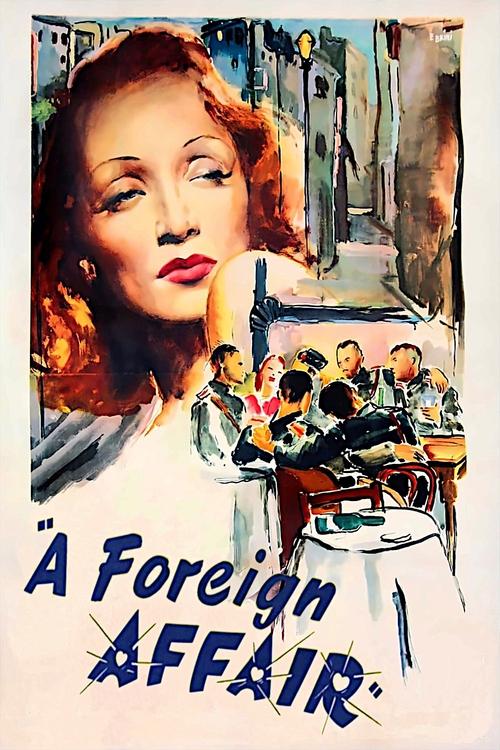
1948
No reviews yet. Be the first to share your thoughts on this movie!
Use the rating form above to leave a star rating and optional review.