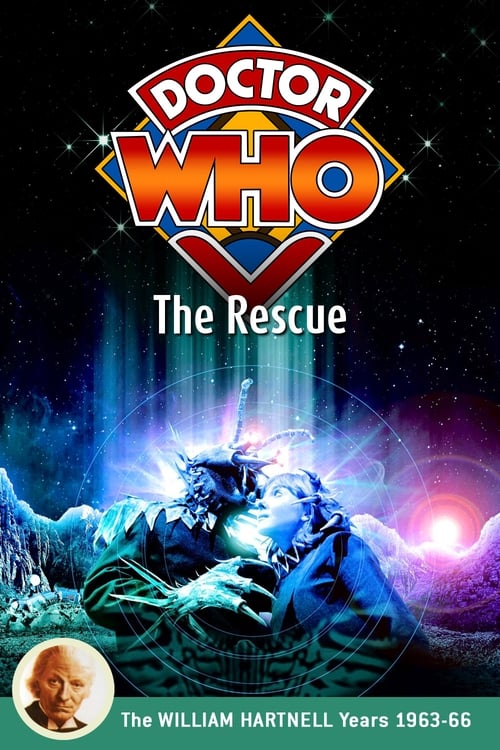
Doctor Who: The Rescue
1965
No user ratings available yet
Representation score: 1.8 out of 10

Representation Score
Minimal
1965
TV-PGDirector
Christopher Barry
Runtime
100 minutes
Average Rating
No ratings yetNew Showbiz Analysis
This 1965 production reflects the conventions of mid-century television, emphasizing traditional hero-archetypes and historical settings over social or gender hierarchy subversion. The narrative framework uses science fiction to critique greed through time-traveling villains but does not intentionally address characters who reflect more than one aspect of diversity. It focuses on class and status within the Roman setting, adhering to the era's standards.
Category Breakdown
The film does not depict any non-binary or LGBTQ+ identities. The interpersonal relationships are based on heterosexual norms.
Female characters such as Barbara and Susan play significant roles but mainly serve as companions to the male leads. The story centers around male characters making key decisions.
The casting follows typical 1960s television standards, focusing on class and status within the Roman social structure without highlighting diverse racial backgrounds.
Roman religious and political institutions provide a historical context without challenging traditional values. The Doctor acts as a moral guide, upholding traditional ethics.
No characters with visible or invisible disabilities are shown with meaningful roles. There are no narratives centered around physical or neurodivergent conditions.
Present on Screen
Limited or Absent
Official Synopsis
The TARDIS crew take up residence near Rome in 64AD, where Ian and Barbara are kidnapped by slave traders, and the Doctor's imitation of Maximus Pettulian sees him taken to the court of Emperor Nero where he inadvertently plays a part in deciding the course of history...
1965

1998

1975

1982

1964

1973

1975

1967
No reviews yet. Be the first to share your thoughts on this movie!
Use the rating form above to leave a star rating and optional review.