
Doctor Who: The Romans
1965
No user ratings available yet
Representation score: 1.3 out of 10
Representation Score
Fair
1992
Director
Pennant Roberts
Runtime
110 minutes
Average Rating
No ratings yetNew Showbiz Analysis
Doctor Who: Shada is a traditional adventure series that prioritizes episodic momentum over challenging social norms. It adheres strictly to the casting and narrative conventions of the early 1990s, resulting in a largely homogeneous and conventional presentation. The production relies heavily on established genre clichés, particularly those related to gender and racial representation. While it includes female companions, the central power dynamics remain centered on a traditional protagonist-driven structure. Ultimately, the film lacks the intentionality needed to challenge systemic hierarchies. It functions as a stable, Western-centric adventure rather than a work that explores diverse cultural perspectives or multi-layered identities.
Category Breakdown
The story follows conventional patterns typical of early 1990s adventure serials, focusing on straight relationships. There is no evidence of diverse gender identities or same-sex intimacy.
Female characters like Mel Bush provide a baseline for inclusion but largely support the main character, the Doctor. The narrative remains centered on the Doctor’s journey.
The ensemble is predominantly made up of actors from similar backgrounds, reflecting the production constraints of the era. The human cast lacks significant racial diversity or characters of color with substantial roles.
The film operates within a traditional Western framework centered on an academic setting. It lacks a critique of systemic power structures or moral relativism.
There is no significant portrayal of characters with disabilities, either visible or invisible, who have substantial roles or ability to act in the narrative.
Present on Screen
Limited or Absent
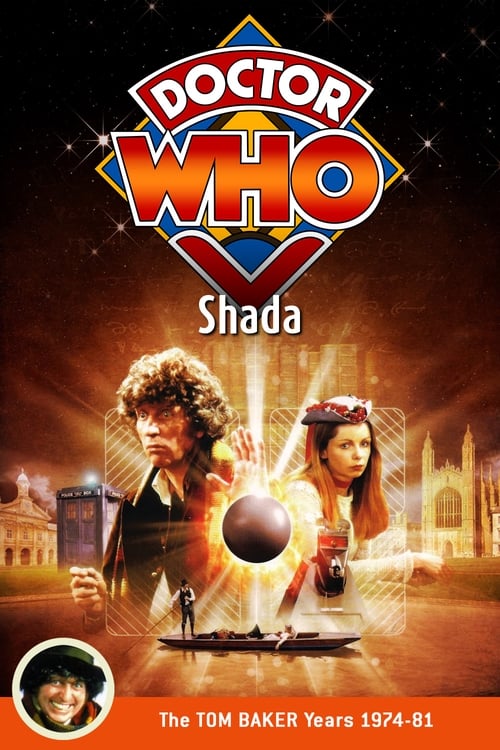
Official Synopsis
Shada: a prison built by the Time Lords for defeated would-be conquerors of the universe. A scientist named Skagra needs the help of one of the prison's inmates. He finds nobody knows where Shada is anymore, except one aged Time Lord who has retired to Earth, where he is a professor at St Cedd's College. Luckily for the universe, Skagra's attempt to force the information out of Professor Chronotis coincides with a visit by the professor's old friend, The Doctor.
1965
1979
1973

1996
1982
1981
1978

1967
No reviews yet. Be the first to share your thoughts on this movie!
Use the rating form above to leave a star rating and optional review.