
Doctor Who: The Romans
1965
No user ratings available yet
Representation score: 1.3 out of 10

Representation Score
Limited
1964
TV-PGDirector
Waris Hussein, John Crockett
Runtime
175 minutes
Average Rating
No ratings yetNew Showbiz Analysis
This 1964 adventure is a product of its historical and industrial context, prioritizing traditional values and institutional authority. While the Silk Road setting provides a departure from Western domesticity, the narrative lacks multi-layered complexity. The production adheres to mid-century British broadcasting standards, focusing on historical exploration rather than systemic subversion. This results in a framework that maintains conventional social hierarchies and traditional power structures.
Category Breakdown
The story does not include any LGBTQ+ characters or explore non-straight relationships. Interpersonal dynamics follow traditional 1960s social structures without challenging these norms.
Female characters like Susan and Barbara have ability to act as intellectuals, but their roles remain primarily supportive of the central male figures. Barbara's role as an educator offers a slight deviation from submissive roles.
The production includes Mongol and Chinese characters, reflecting a non-Western setting. However, it serves as a historical recreation limited by the period's views on non-Western cultures.
The narrative emphasizes the legitimacy of the Mongol Empire and Kublai Khan's imperial court. It focuses on preserving order rather than offering any cultural or political subversion.
There are no visible or invisible disabilities portrayed within the primary cast. Characters are depicted through a lens of standard physical capability typical of the adventure genre.
Present on Screen
Limited or Absent
Official Synopsis
The TARDIS crew lands in the Himalayas of Cathay in 1289, their ship badly damaged, and are picked up by Marco Polo's caravan on its way along the fabled Silk Road to see the Emperor Kublai Khan. The story concerns the Doctor and his companions' attempts to thwart the machinations of Tegana, who attempts to sabotage the caravan along its travels through the Pamir Plateau and across the treacherous Gobi Desert, and ultimately to assassinate Kublai Khan in Peking, at the height of his imperial power.
1965
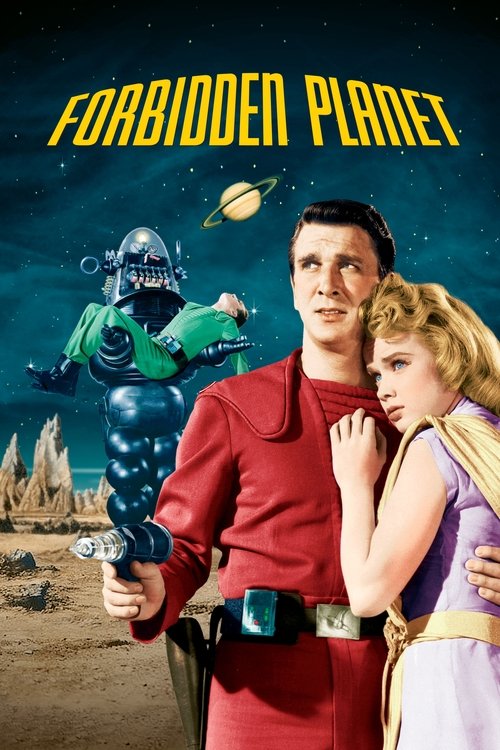
1956

1975
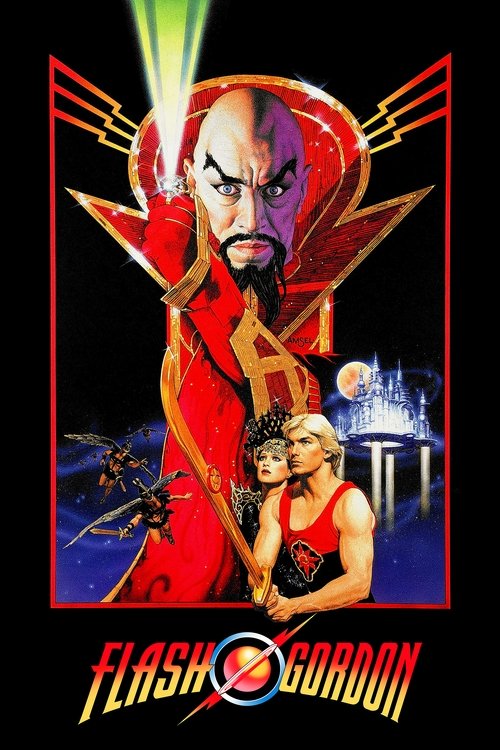
1980
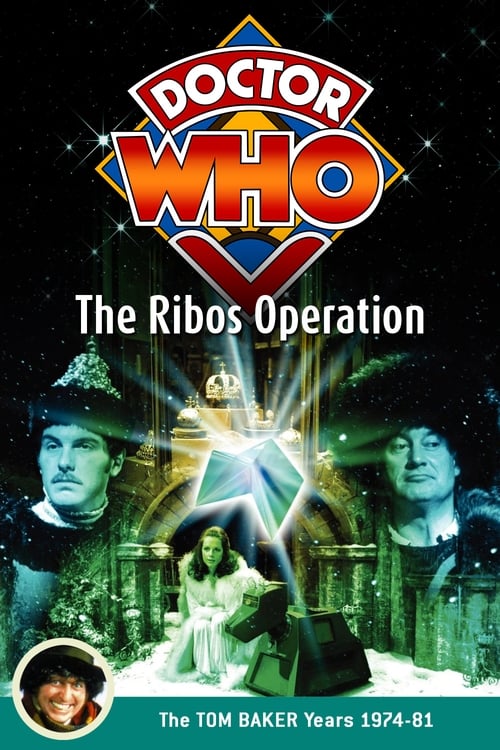
1978
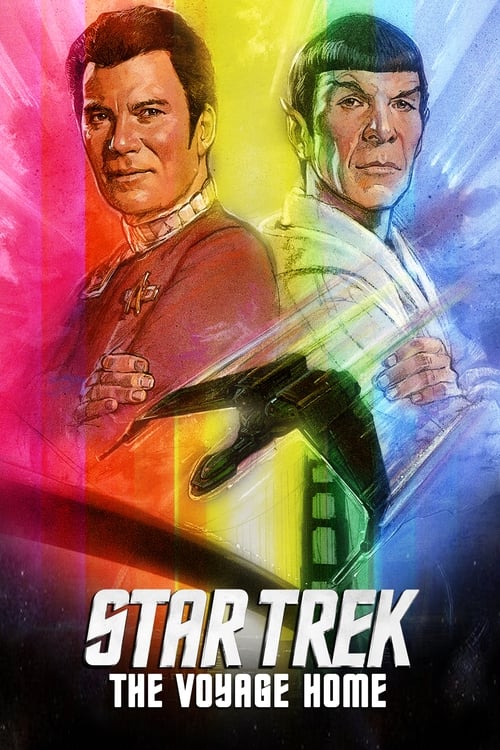
1986
1982

1967
No reviews yet. Be the first to share your thoughts on this movie!
Use the rating form above to leave a star rating and optional review.