
Doctor Who: The Romans
1965
No user ratings available yet
Representation score: 1.3 out of 10
Representation Score
Limited
1964
Director
Douglas Camfield, Mervyn Pinfield
Runtime
75 minutes
Average Rating
No ratings yetNew Showbiz Analysis
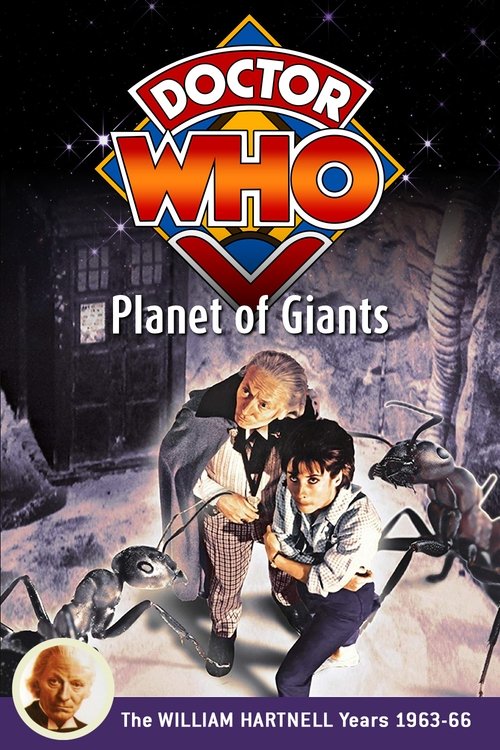
Planet of Giants is a classic science fiction adventure that emphasizes technical spectacle and genre conventions over social commentary. The narrative is rooted in the social structures of the 1960s, highlighting centralized authority and a homogeneous society. The production adheres to the storytelling standards of its time, focusing on survival and scientific investigation. It does not challenge traditional power dynamics or disrupt conventional social norms. Overall, the film operates within an Anglo-centric framework, prioritizing the quest for knowledge and environmental navigation over diverse representation.
Category Breakdown
The film does not depict any LGBTQ+ identities or non-straight relationships. Queer dynamics are entirely absent, focusing instead on traditional family and friendship bonds.
Gender roles adhere to mid-20th century norms. While Susan brings a youthful perspective, the Doctor holds intellectual authority, while companions serve primarily physical roles.
The cast is racially uniform, reflecting the demographics of the 1960s. There are no characters from diverse ethnic backgrounds or racial blends.
The narrative upholds Western values of scientific advancement and stability. It does not critique institutions, instead focusing on logical reasoning and cooperation.
Miniaturization serves as a plot device without delving into disability issues. Characters' physical vulnerability is treated as a temporary scientific anomaly rather than a deeper exploration of disability.
Present on Screen
Limited or Absent
Official Synopsis
When the TARDIS malfunctions, it and its travellers land on Earth at the size of insects. They uncover a murderous plot involving a new insecticide, but how can they stop the crime in their miniaturised condition?
1965
1957

1964

1966

1967
1936

1965

1989
No reviews yet. Be the first to share your thoughts on this movie!
Use the rating form above to leave a star rating and optional review.