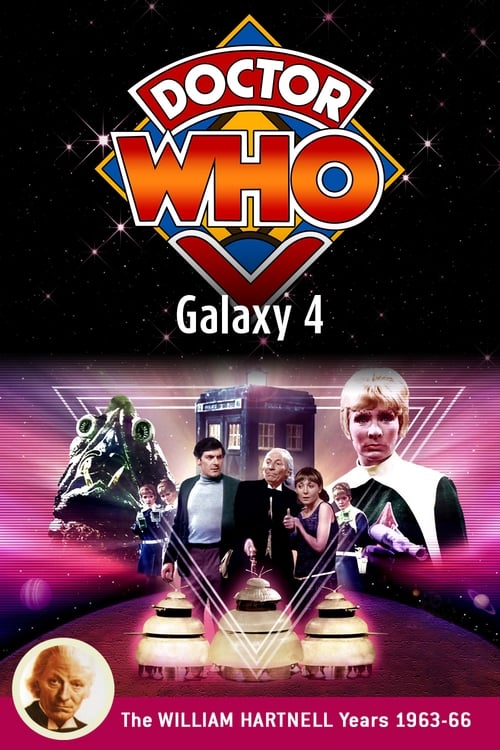
Doctor Who: Galaxy 4
1965
No user ratings available yet
Representation score: 4.3 out of 10

Representation Score
Limited
1964
TV-GDirector
Richard Martin, Christopher Barry
Runtime
171 minutes
Average Rating
No ratings yetNew Showbiz Analysis
This foundational entry for the franchise is shaped by its historical context, adhering to mid-century British television conventions. It employs conventional adventure formulas and clear moral binaries rather than subversive themes. The production reinforces traditional social hierarchies and demographic norms of the 1960s. While it includes female companions, the narrative structure centers on men's control over the story and Western storytelling values. Ultimately, the work does not intentionally address characters who reflect more than one aspect of diversity. It sets a classic mythos through a lens of traditional morality and conventional character roles.
Category Breakdown
There are no depictions of LGBTQ+ characters or non-binary gender identities in the film. The social dynamics follow the heterosexual norms of the 1960s.
Susan and Barbara offer a break from an all-male cast, but the narrative upholds traditional hierarchies. Male characters dominate in making decisions and taking action.
The cast is primarily white, reflecting the demographics of the time. There is no indication of diverse casting or characters representing multiple backgrounds.
The film promotes a traditional moral framework focused on survival and protection. It avoids moral relativism, emphasizing a classic battle between order and chaos.
Daleks are shown as biological mutants, serving as a sci-fi horror element rather than a nuanced look at disability. There are no characters with ability to act related to physical impairments.
Present on Screen
Limited or Absent
Official Synopsis
The TARDIS brings the Doctor, Susan, Barbara, and Ian to the planet Skaro where they meet two indigenous races — the Daleks, malicious mutant creatures encased in armoured travel machines, and the Thals, beautiful humanoids with pacifist principles. They convince the Thals of the need to fight for their own survival.
1965
1965

1975

1975

1965
1982

1967
1973
No reviews yet. Be the first to share your thoughts on this movie!
Use the rating form above to leave a star rating and optional review.