Libertas
2006
No user ratings available yet
Representation score: 2.4 out of 10
Representation Score
Fair
2003
Director
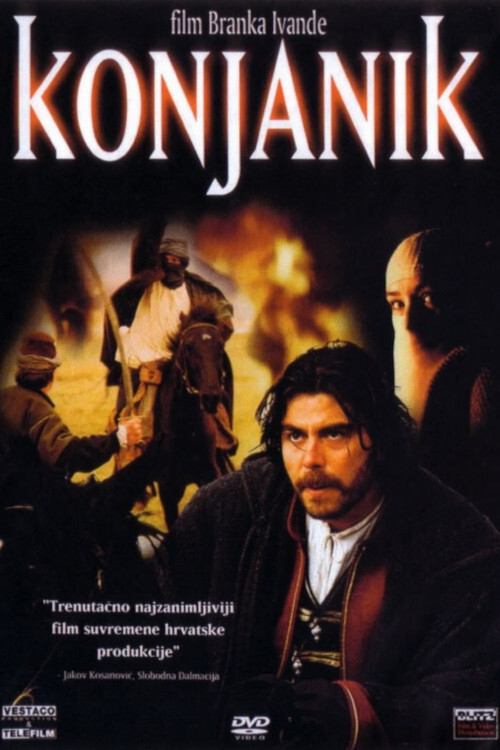
Branko Ivanda
Runtime
105 minutes
Average Rating
No ratings yetNew Showbiz Analysis
The Horseman excels in ethnic and cultural complexity by centering on the friction between the Ottoman and Venetian empires. It disrupts Western-centric historical clichés by focusing on the specific regional identities of the 18th-century Croat population. However, the film appears limited by its historical setting, which likely reinforces traditional gender roles and lacks representation for LGBTQ+ identities. The narrative prioritizes geopolitical and religious struggles over modern multi-layered themes. Ultimately, the film offers a sophisticated look at how systemic forces shape identity, even if it does not engage with contemporary social movements.
Category Breakdown
The film focuses on geopolitical and religious tensions rather than LGBTQ+ identities. There is no explicit representation or critique of the assumption that everyone is straight or cisgender within the narrative.
Set in the 18th century, the film likely upholds traditional gender hierarchies. The narrative lacks specific details about women's ability to drive the story or the subversion of masculine leadership.
The story centers on the Croat population caught between the Ottoman and Venetian empires. This provides a nuanced, non-Western-centric look at multi-ethnic borderland identities.
The conflict between Catholicism and Islam explores religious pluralism and systemic imposition. It challenges monolithic morality by framing characters caught between two dominant faiths.
There is no documented evidence regarding the portrayal of physical or neurodivergent disabilities in this work.
Present on Screen
Limited or Absent
Official Synopsis
In the mid-18th century, the modern day border between Bosnia and Croatia, wasn't just a border between two countries. It was a border between two political powers,The Venetian Republic and the Ottoman Empire, and their respective religions, Christianity and Islam. But, in the midst of that passionate conflict between the East and the West, a romance blossoms between Ivan Revač, a young Croatian assasin working for a local aristocrat, and Leyla, the daughter of an Ottoman bey.
2006
1999
1988
2010
1974
2016
2014
2009
No reviews yet. Be the first to share your thoughts on this movie!
Use the rating form above to leave a star rating and optional review.