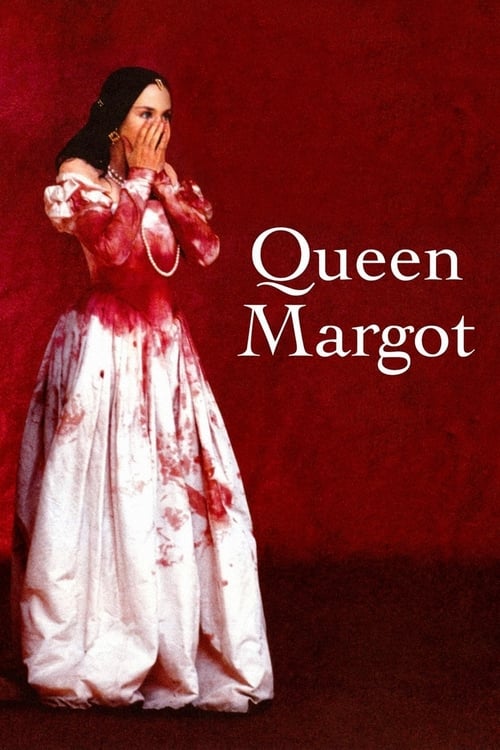
Queen Margot
1994
No user ratings available yet
Representation score: 5.2 out of 10

Representation Score
Limited
2010
Not RatedDirector
Bertrand Tavernier
Runtime
139 minutes
Average Rating
No ratings yetNew Showbiz Analysis
The Princess of Montpensier is a period drama that prioritizes historical realism over modern demographic diversity. While the cast remains largely homogeneous to reflect 16th-century French nobility, the film finds its progressive edge through character's ability to drive the story. The narrative excels by centering a female protagonist who actively navigates political structures, subverting traditional gender hierarchies. However, the film's adherence to the era's social constraints results in low scores for LGBTQ+ and racial diversity. It functions primarily as a critique of institutional power rather than a tool for demographic inclusivity.
Category Breakdown
The film adheres to the traditional constraints of the 16th century, focusing on romantic tensions between marital contracts and individual passion without depicting same-sex intimacy.
Anne de Montpensier plays a central role in driving the plot, actively navigating and exerting influence within male-dominated power structures.
The cast is predominantly homogeneous, reflecting the historical social landscape of the French aristocracy. It does not include diverse ethnic representation or race-bent casting.
The film offers a sophisticated critique of religious institutions during the French Wars of Religion, portraying both Catholic and Protestant factions as destructive forces.
There are no prominent depictions of visible or invisible disabilities that serve as central narrative arcs in this production.
Present on Screen
Limited or Absent
Official Synopsis
Set in the high courts of 16th Century France, where the wars of religion between Catholics and Protestants are raging. Marie de Mézières, a beautiful young aristocrat, is in love with Henri de Guise, but her hand in marriage is promised to the Prince of Montpensier.
1994
1969

2010

1964

2016
2000

1956
1998
No reviews yet. Be the first to share your thoughts on this movie!
Use the rating form above to leave a star rating and optional review.