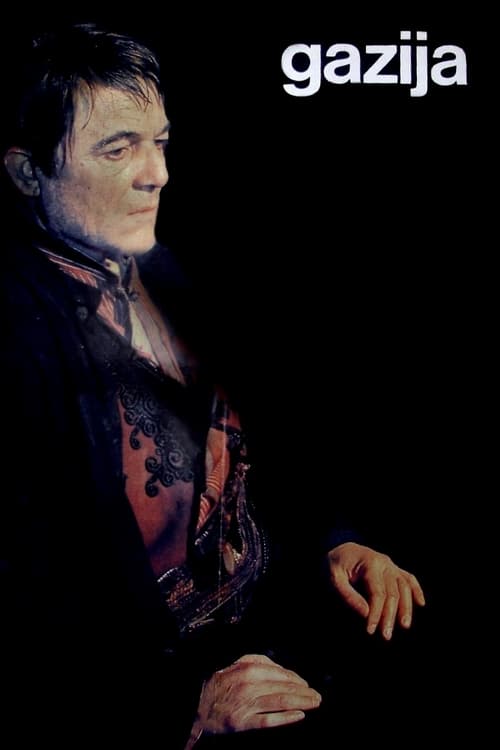
Gazija
1981
No user ratings available yet
Representation score: 3.4 out of 10
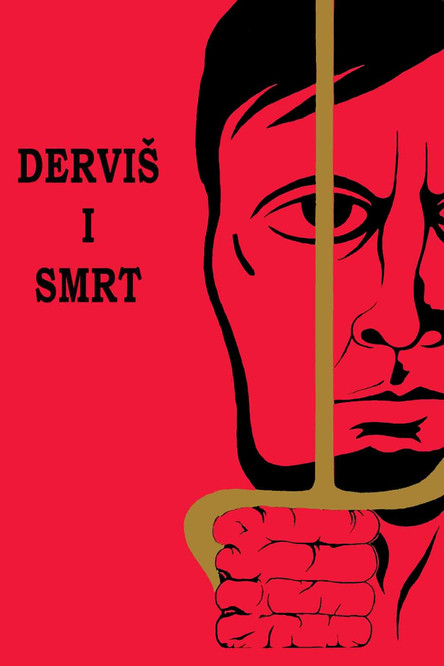
Representation Score
Fair
1974
Director
Zdravko Velimirović
Runtime
105 minutes
Average Rating
No ratings yetNew Showbiz Analysis
The film stands out as a historical drama that shifts away from Western-centric storytelling by focusing on the Ottoman-era Balkan experience. Its main strength lies in its cultural depth and its examination of systemic rigidity. However, the film operates within traditional social structures. It lacks representation for LGBTQ+ identities and does not offer diverse gender roles or disability representation. Overall, the work serves as a meaningful counter-narrative to Western historical clichés, emphasizing the conflict between personal morality and institutional dogma.
Category Breakdown
The film focuses on the spiritual and political struggles of a religious leader in a 19th-century Sarajevo setting. There are no queer narratives or non-assuming gender matches what was assigned at birth identities present.
The story centers on male religious authority and Ottoman governance, highlighting traditional gendered power dynamics through patriarchal judicial structures.
The film provides a non-Western perspective by focusing on the Ottoman-era Balkan experience and the cultural landscape of Sarajevo and the Mevlevi order.
The narrative critiques the oppressive nature of systemic power and dogmatic bureaucracy, framing the tension between individual conscience and centralized religious or state authority.
The narrative does not include characters with visible or invisible disabilities.
Present on Screen
Limited or Absent
Official Synopsis
Ahmet Nurudin is a dervish and head of the Islamic monastery of the Mevlevi order in Sarajevo. He is a personification of morale and dogmatic belief, everything that Muslim religion of the Ottoman rule rests on. Throughout his life, the atmosphere of the city, the relations with the judge and the mechanism of government, the image of Ottoman Empire at the beginning of the nineteenth century is being revealed. Based on a highly praised novel by Meša Selimović.
1981
1969
2006
1982
1967

1976
1974
1988
No reviews yet. Be the first to share your thoughts on this movie!
Use the rating form above to leave a star rating and optional review.