Sankha Sindura
1985
No user ratings available yet
Representation score: 2.6 out of 10
Representation Score
Limited
1978
Director
M. Bhaskar
Runtime
135 minutes
Average Rating
No ratings yetNew Showbiz Analysis
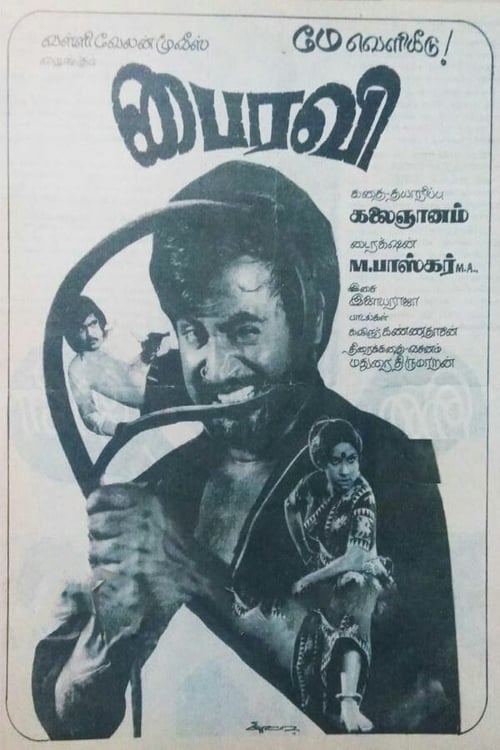
Bairavi is a period melodrama that uses intense conflicts to explore systemic power imbalances. Despite adhering to the social norms of 1978, it avoids depicting authority figures as inherently good. The film's strength lies in its critique of class-based oppression and the corruption of the wealthy elite. However, it remains confined by the era's traditional views on justice and gender roles. Overall, the film serves as a localized examination of social hierarchy, emphasizing moral complexity over modern characters who reflect more than one aspect of diversity.
Category Breakdown
The film does not include any LGBTQ+ characters or situations involving non-straight relationships. It focuses on traditional family bonds and heterosexual romance.
The movie centers on gender-related trauma, particularly the rape of the main character by a landlord. While it challenges the idea of male dominance, the resolution involves a forced marriage to address the crime.
This Tamil-language film highlights a specific South Indian cultural identity. It delves into regional social hierarchies and the differences between servants and landlords.
The film criticizes traditional institutional power and class structures. It portrays landlords as predatory figures to challenge oppressive authority.
There is no evidence of physical or neurodivergent disabilities being portrayed in this film.
Present on Screen
Limited or Absent
Official Synopsis
Bhairavi is separated from her brother Mookaiyah, who becomes a loyal servant for a local landlord, covering up all his dirty deeds. But when he rapes Bhairavi, Mookaiyah speaks up.
1985
1957
1986
1971
1983

2005
1987
1982
No reviews yet. Be the first to share your thoughts on this movie!
Use the rating form above to leave a star rating and optional review.