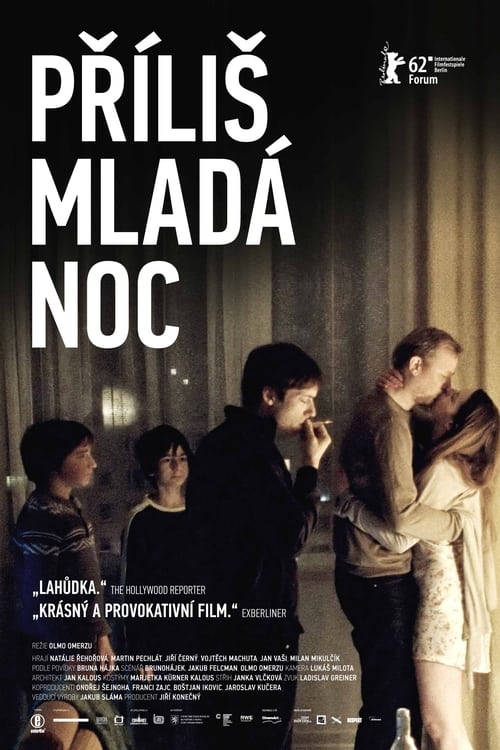
A Night Too Young
2012
No user ratings available yet
Diversity score: 5.1 out of 10
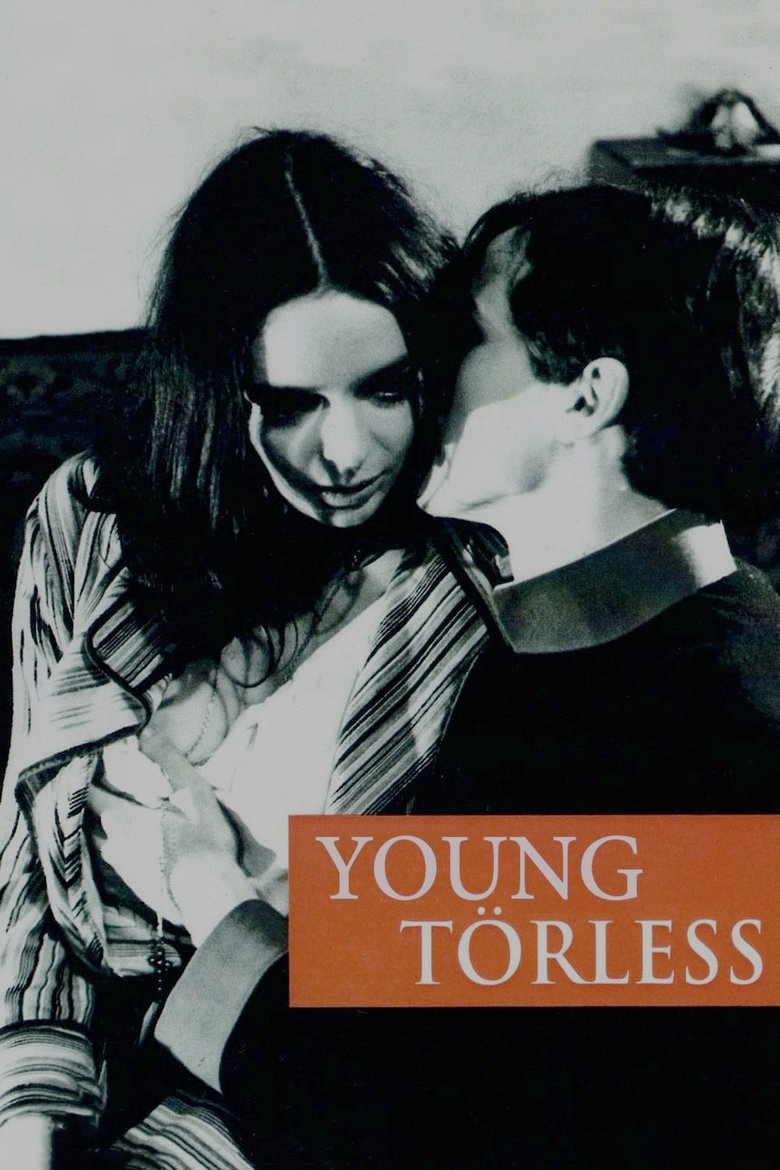
1966
Not RatedDirector
Volker Schlöndorff
Runtime
87 minutes
Average Rating
No ratings yetSynopsis
At an Austrian boys' boarding school in the early 1900s, shy, intelligent Törless observes the sadistic behavior of his fellow students, doing nothing to help a victimized classmate—until the torture goes too far. Adapted from Robert Musil's acclaimed novel, Young Törless launched the New German Cinema movement and garnered the 1966 Cannes Film Festival International Critics' Prize for first-time director Volker Schlöndorff.
Overall Score
Fair
Category Breakdown
LGBTQ+ Representation
The film explores non-heteronormative desire through psychological obsession. Törless’s fixation on Beineberg creates intense homoerotic undercurrents. While avoiding modern labels, the narrative centers on male-to-male magnetism as a core developmental element.
Gender Representation
Set in a gender-segregated boarding school, the film focuses entirely on male hierarchies. It critiques hyper-masculine social structures and portrays the male peer group as a chaotic, sadistic force.
Racial & Ethnic Diversity
The film features a homogeneous white cast, reflecting its early 20th-century Austrian setting. It lacks meaningful engagement with non-white or non-Anglo-Saxon identities within a modern intersectional framework.
Religious & Cultural Diversity
The narrative excels at deconstructing Western institutions by portraying the school as a site of systemic cruelty. It challenges objective morality by depicting traditional authority figures as complicit or ineffective.
Disability Representation
There are no prominent depictions of physical or neurodivergent disabilities used as central character arcs or plot devices.
Strengths
Areas for Improvement
AI Analysis
Young Törless is a psychologically dense study of institutional failure and social toxicity. Its strength lies in its sophisticated interrogation of power structures and its nuanced handling of queer subtext through character obsession. However, the film is limited by its historical setting, resulting in a lack of racial and gender diversity. The strictly male-dominated environment prevents any meaningful female agency or intersectional representation. Ultimately, the film functions more as a cultural critique of Western hierarchies than a diverse ensemble piece. It trades demographic breadth for intellectual depth regarding social corruption.
2012
1977
1997
1980
1990
1993
2005
1965
1973

2021
1990

1973
No reviews yet. Be the first to share your thoughts on this movie!
Use the rating form above to leave a star rating and optional review.