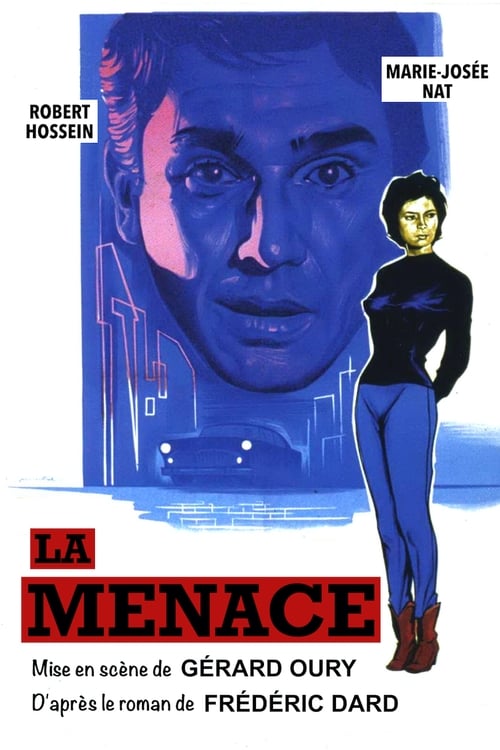
The Menace
1961
No user ratings available yet
Diversity score: 4.3 out of 10

1979
Director
Mitsuo Yanagimachi
Runtime
110 minutes
Average Rating
No ratings yetSynopsis
A 19-year-old newspaper delivery boy begins collecting information on the households in his neighborhood and keeping a journal of why he doesn't like them. Declaring himself a 'right-winger' and calling in bomb threats against the neighbors he doesn't like, the 19-year-old begins a war of psychological terror against the families in his neighborhood.
Overall Score
Fair
Category Breakdown
LGBTQ+ Representation
The film lacks any indication of LGBTQ+ characters or themes. The narrative focuses entirely on the protagonist's ideological conflict with his neighbors.
Gender Representation
The story centers on a singular male protagonist. There is no evidence of female characters possessing significant agency or the subversion of traditional gender roles.
Racial & Ethnic Diversity
The setting reflects a homogeneous Japanese social structure. The conflict is framed through neighborhood sociology rather than ethnic intersectionality or diverse casting.
Religious & Cultural Diversity
The film excels by critiquing traditional social order and communal stability. It uses the protagonist's radicalized identity to challenge the peace of the neighborhood unit.
Disability Representation
There is no evidence of characters with physical or neurodivergent disabilities within the narrative.
Strengths
Areas for Improvement
AI Analysis
The film functions primarily as a psychological character study rather than a vehicle for diverse representation. It explores the breakdown of social cohesion through a radicalized young man's actions, prioritizing individualistic rebellion over communal harmony. While the film lacks intersectional depth regarding gender, race, or orientation, it offers a strong cultural critique. It deconstructs the stability of Japanese neighborhood structures by centering on anti-social behavior and the rejection of established social institutions. Ultimately, the work's diversity is found in its thematic departure from cohesive social narratives, even as it remains narrow in its demographic scope.
1961

1970

2016

2005

1958
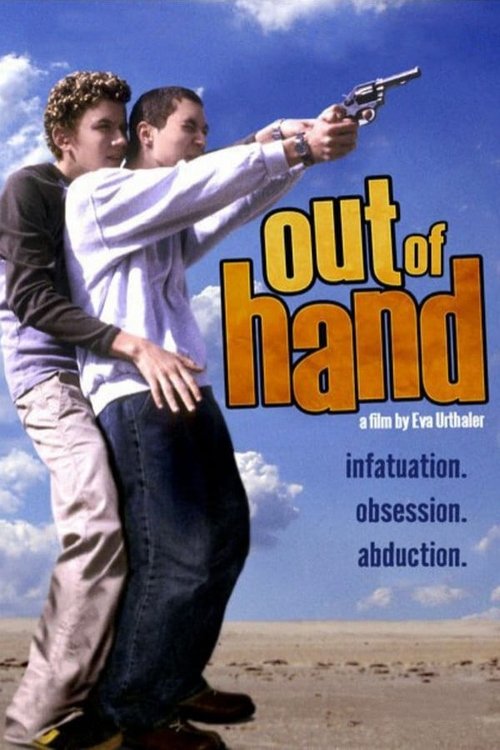
2005
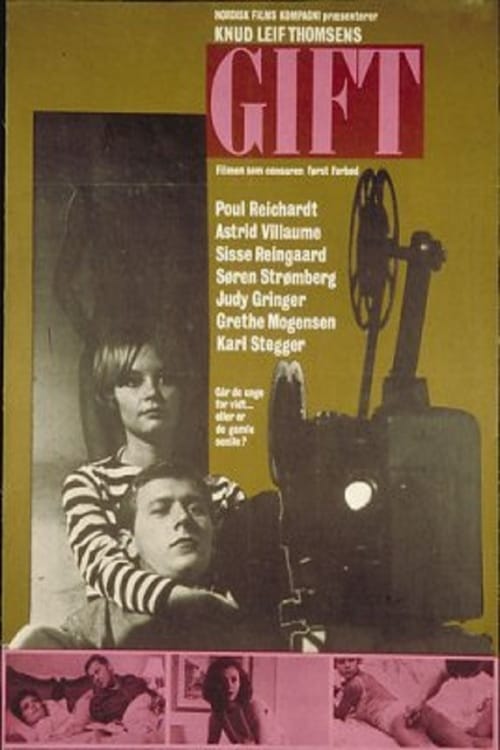
1966

2017

1985

2018
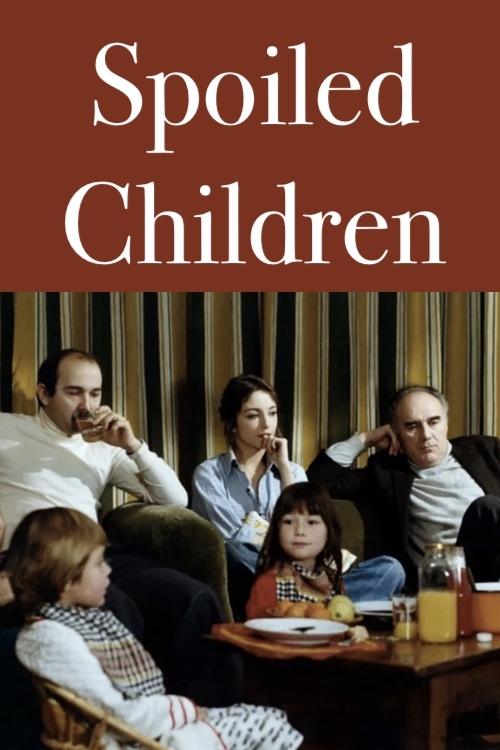
1977
1990
No reviews yet. Be the first to share your thoughts on this movie!
Use the rating form above to leave a star rating and optional review.