The Brain That Changes Itself
2008
No user ratings available yet
Diversity score: 6.1 out of 10
2019
Director
Elena Gaby, Taryn Southern
Runtime
90 minutes
Average Rating
No ratings yetSynopsis
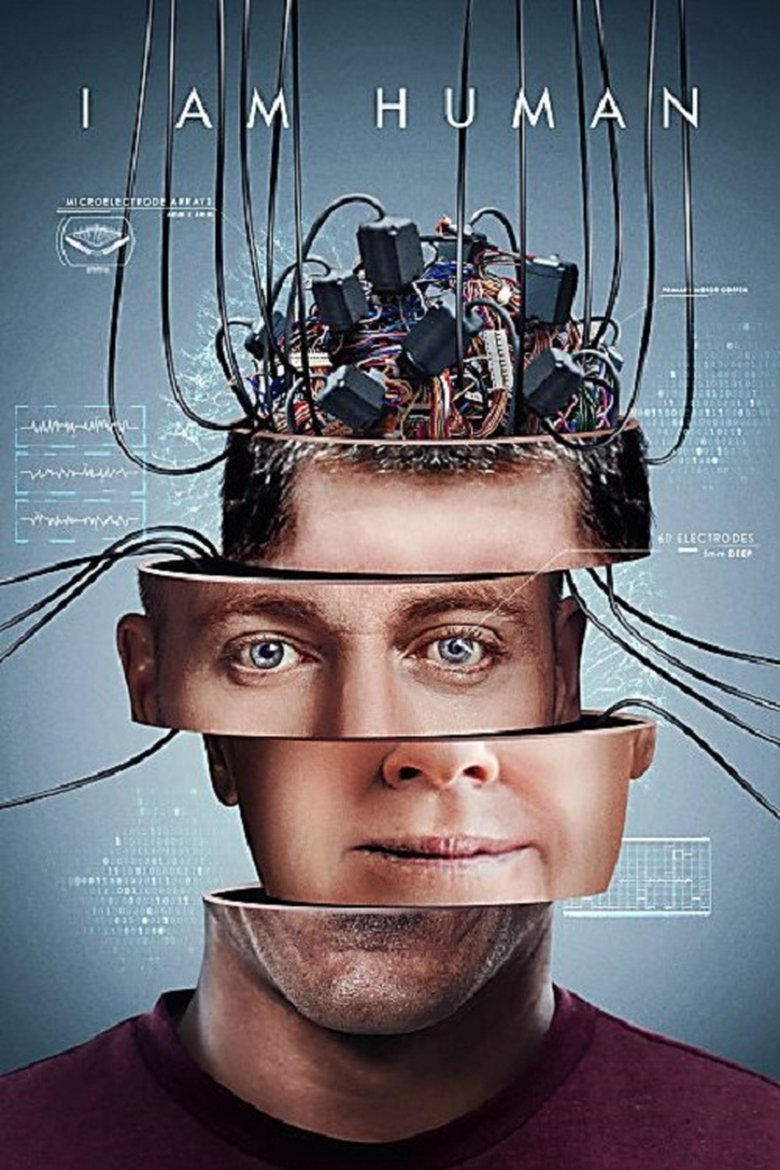
"I Am Human" tells the origin story of the world’s first “cyborgs” - three humans for whom the restorative potential of brain technology is no sci-fi daydream. As we follow their journeys with implantable brain interfaces, we’re forced to reconcile with the larger societal implications: will the same technologies that heal disease and dysfunction lead to super human abilities, telepathic communication, and cognitive enhancement?
Overall Score
Good
Category Breakdown
LGBTQ+ Representation
The documentary focuses on neurotechnology and human biology. There is no explicit evidence regarding the depiction of LGBTQ+ identities or non-heteronormative narratives.
Gender Representation
The film provides a platform for diverse voices to assert agency over biological narratives. While specific gender dynamics are not detailed, the format allows for individual autonomy.
Racial & Ethnic Diversity
The film explores a global technological frontier. While the racial makeup of the subjects is not specified, the subject matter touches on equitable access to technology.
Religious & Cultural Diversity
The narrative challenges biological essentialism by framing cyborg identity as an evolutionary step. It adopts a post-humanist framework that prioritizes technological evolution over traditional religious definitions.
Disability Representation
This is the film's strongest area, focusing on individuals using interfaces to address dysfunction. Subjects are portrayed as active agents reclaiming agency rather than passive medical recipients.
Strengths
Areas for Improvement
AI Analysis
I Am Human is a sophisticated inquiry into the future of identity through the lens of neurotechnology. Its primary strength is the nuanced treatment of disability, framing technological intervention as a transformative tool for agency rather than a simple cure. The film excels at deconstructing biological norms and exploring post-humanist frameworks. It moves beyond traditional definitions of the human condition to examine how cognitive enhancement might reshape social structures. However, the documentary lacks explicit focus on traditional identity politics. While it addresses the democratization of technology, it provides little specific information regarding LGBTQ+ or racial representation within its featured subjects.
2008

2008
2020

2016
2018

2013
2011

2017
2019

2014

2021
2013
No reviews yet. Be the first to share your thoughts on this movie!
Use the rating form above to leave a star rating and optional review.