
Living Proof
2017
No user ratings available yet
Representation score: 3.5 out of 10
Representation Score
Excellent
2017
NRDirector
Jennifer Brea
Runtime
97 minutes
Average Rating
No ratings yetNew Showbiz Analysis
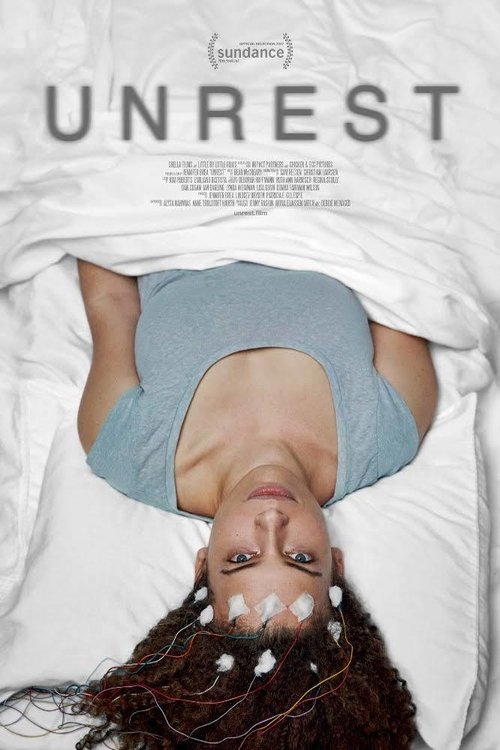
Unrest is a powerful work of testimonial cinema that disrupts traditional power dynamics between patients and institutions. Its primary impact lies in its refusal to treat disability as a plot device or a journey toward 'overcoming' a condition. While the film lacks deep engagement with race or sexual orientation, it provides a profound disruption of the medical establishment's monopoly on truth. It centers the lived experience of those sidelined by systemic neglect. The documentary's strength is its nuanced portrayal of neurobiological limitations and the reclamation of control by those living with invisible illnesses.
Category Breakdown
The film does not explicitly focus on LGBTQ+ identities or queer-coded narratives. It maintains a neutral stance rather than actively promoting or critiquing assumptions that everyone is straight or cisgender.
The narrative centers on a female perspective, reclaiming control over the story against a medical landscape that often dismisses female symptoms as psychological. It challenges clichés of the 'hysterical' female patient.
The film functions as an intimate study of chronic illness rather than a deconstruction of racial hierarchies. It focuses on the universality of medical experiences across families.
The documentary offers a sophisticated critique of Western medical institutions. It portrays institutional authority as an obstacle to truth and highlights the failure to validate patient needs.
The film excels in depicting invisible disability without falling into 'inspiration porn.' It centers the complex, ongoing reality of living with ME/CFS through high subject control over the story.
Present on Screen
Limited or Absent
Official Synopsis
When Harvard PhD student Jennifer Brea is struck down at 28 by a fever that leaves her bedridden, doctors tell her it’s "all in her head." Determined to live, she sets out on a virtual journey to document her story—and four other families' stories—fighting a disease medicine forgot.
2017

2011
2016
2016

2014

2022

2016

2020
No reviews yet. Be the first to share your thoughts on this movie!
Use the rating form above to leave a star rating and optional review.