Head Games
2012
No user ratings available yet
Representation score: 6.2 out of 10
Representation Score
Good
2013
Not RatedDirector
Lucy Walker
Runtime
108 minutes
Average Rating
No ratings yetNew Showbiz Analysis
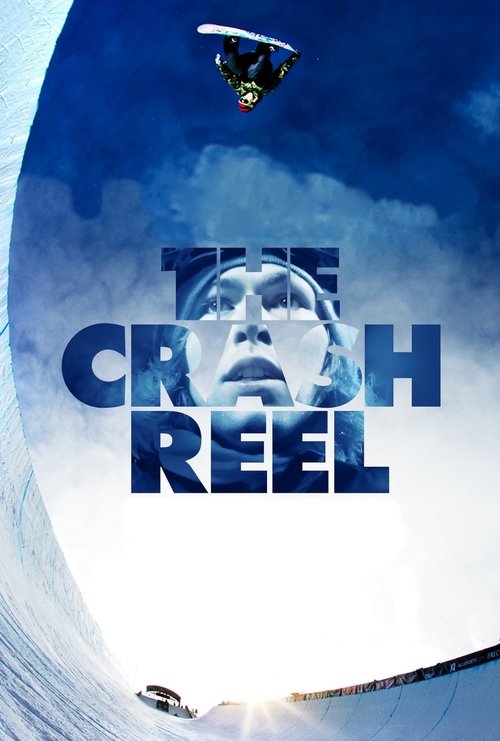
The Crash Reel succeeds as a humanistic study of resilience, moving beyond the spectacle of extreme sports to examine the complexities of neurological trauma. Its primary strength lies in its refusal to treat disability as a mere plot device, instead presenting it as a central, complex reality of the protagonist's life. While the film excels in its portrayal of cognitive recovery, it lacks depth in other areas of identity. The narrative is heavily anchored in the male-dominated snowboarding culture and does not explicitly engage with LGBTQ+ or specific multi-layered racial dynamics. Ultimately, the documentary challenges conventional notions of physical perfection, replacing the 'invincible athlete' cliché with a realistic, nuanced examination of how trauma impacts the individual's sense of self and stability.
Category Breakdown
The film does not focus on LGBTQ+ narratives or non-assuming gender matches what was assigned at birth identities. Instead, it centers on the subject's physical and cognitive recovery.
The narrative is driven by the male-dominated world of professional snowboarding. However, it challenges traditional masculine archetypes by emphasizing the protagonist's vulnerability and psychological depth.
The film features a diverse cast and interview subjects, avoiding a homogeneous group. It focuses more on universal trauma than on multi-layered racial dynamics.
The film explores the deconstruction of the self and subjective reality through the lens of trauma. It presents a nuanced view of survival without promoting singular moralities.
This is the film's strongest area, providing a sophisticated portrayal of neurological disability. It avoids inspiration porn by focusing on the grueling, non-linear reality of rehabilitation and loss of ability to act.
Present on Screen
Limited or Absent
Official Synopsis
An escalating rivalry between snowboarder Kevin Pearce and his nemesis Shaun White in the run-up to the 2010 Olympics leaves Shaun on top of the Olympic podium and Kevin in a coma following a training accident in Park City, Utah. Kevin's tight-knit Vermont family flies to his side and helps him rebuild his life as a brain injury survivor. But when he insists he wants to return to the sport he still loves, his family intervenes. Will Kevin defy them and insist on pursuing his passion? How much risk is too much?
2012
2005

2024
2014
2019
2011
2023
2023
No reviews yet. Be the first to share your thoughts on this movie!
Use the rating form above to leave a star rating and optional review.