In the Age of AI
2019
No user ratings available yet
Diversity score: 5.9 out of 10
2019
Director
Isa Willinger
Runtime
90 minutes
Average Rating
No ratings yetSynopsis
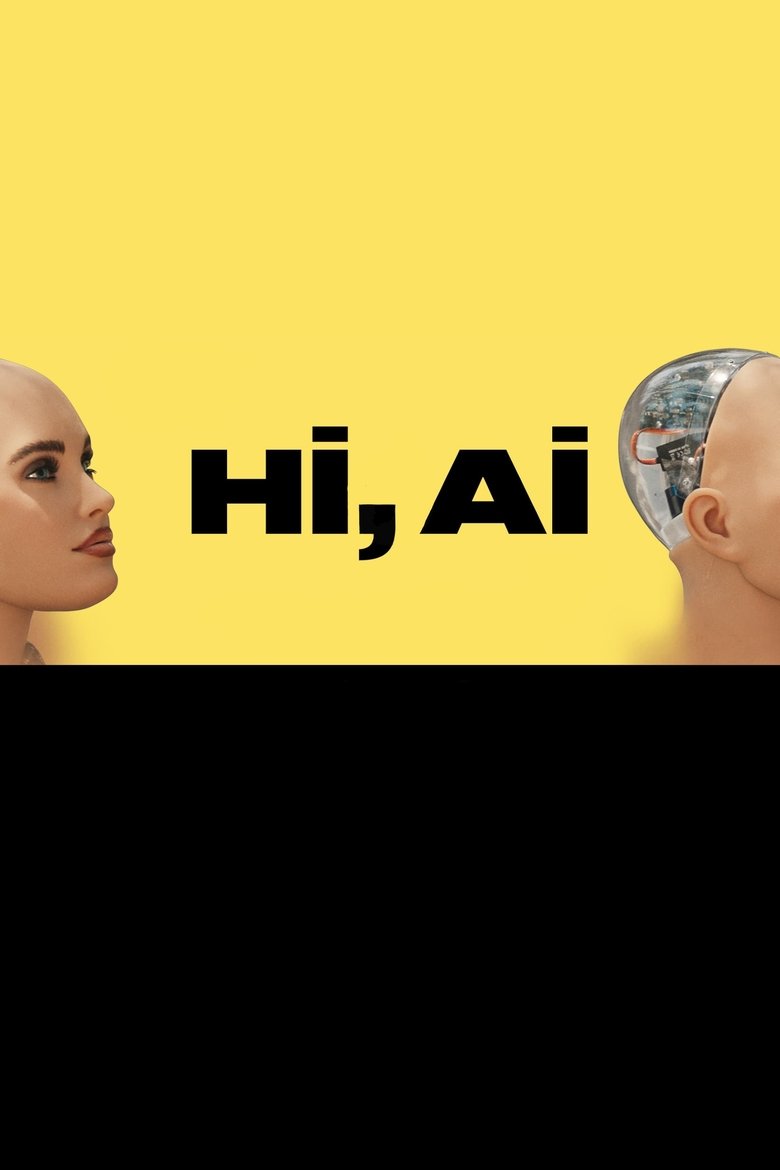
"With an A.I., you have to keep your sentences short and to the point." - This piece of advice is given to Chuck as he's picking up his new robot partner Harmony fresh from the factory. On the other side of the world, in Tokyo, the cute robot Pepper with Grandma Sakurai, arranged by her son, so that she feels less lonely. But soon, Pepper turns out to be a rather headstrong character. How will we live together with artificial intelligence? What will we win, what will we lose? The documentary shows us tomorrow's world today.
Overall Score
Good
Category Breakdown
LGBTQ+ Representation
The film does not explicitly center queer narratives or LGBTQ+ identities. It explores the fluidity of companionship through human-robot bonds, but lacks specific non-cisnormative character arcs.
Gender Representation
The documentary critiques how humans project feminine archetypes onto AI. It examines how technology can reinforce or complicate traditional gendered caretaking roles and social constructs.
Racial & Ethnic Diversity
By centering the narrative in Japan, the film avoids a Western-centric perspective. It provides a non-Anglo-Saxon view of technological coexistence through a predominantly Japanese cast.
Religious & Cultural Diversity
The film explores how AI might disrupt traditional family structures and social institutions. It takes a sophisticated approach to the subjective nature of companionship and human connection.
Disability Representation
The narrative touches on human vulnerability by showing AI used to mitigate loneliness in elderly subjects. It focuses on the emotional agency of people navigating changing environments.
Strengths
Areas for Improvement
AI Analysis
Isa Willinger’s documentary succeeds by shifting the technological conversation away from Western triumphalism toward the intimate, domestic realities of Japan. It effectively deconstructs human exceptionalism by examining the psychological negotiations required to interface with synthetic intelligence. The film's strength lies in its cultural specificity and its refusal to provide easy answers regarding the future of coexistence. It treats the integration of AI as a complex systemic shift rather than a simple tool for progress. However, the film remains a localized study rather than a globalized exploration. It also lacks explicit focus on LGBTQ+ identities, maintaining a neutral rather than active stance on queer narratives.
2019
2020

2017

2011
2018
2019

2019

2019
2026

2017
2010

2021
No reviews yet. Be the first to share your thoughts on this movie!
Use the rating form above to leave a star rating and optional review.