
Dirty Pictures
2010
No user ratings available yet
Representation score: 7.8 out of 10
Representation Score
Good
2013
Director
Mikki Willis, Oliver Hockenhull
Runtime
69 minutes
Average Rating
No ratings yetNew Showbiz Analysis
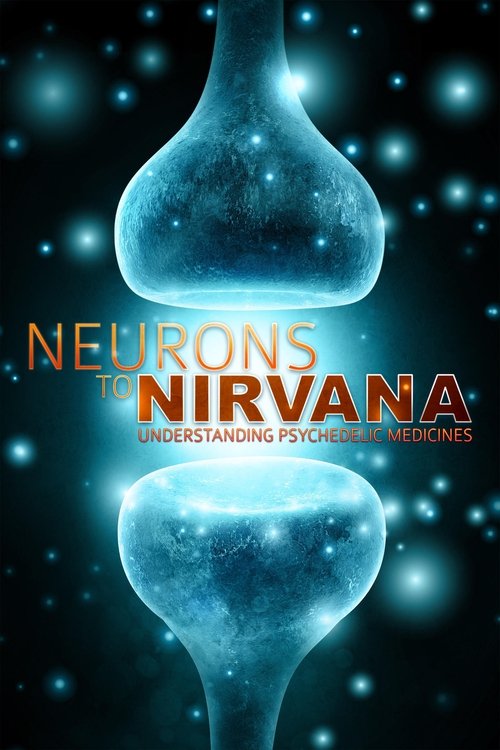
Neurons to Nirvana operates mainly as a scientific and investigative documentary. Its strength lies in its willingness to challenge established institutional hierarchies and socio-political biases that limit medicinal research. The film’s diversity is most evident in its engagement with indigenous medicinal traditions and the dismantling of Western regulatory control. It moves beyond simple management of mental health issues toward a more exploratory model of healing. However, the film lacks explicit representation or narratives centered on LGBTQ+ identities. The focus remains strictly on biochemical and psychological discourse, leaving broader social identity issues largely unaddressed.
Category Breakdown
The film focuses on the medical and scientific aspects of drug use rather than identity-driven stories. There are no explicit LGBTQ+ characters or themes related to personal identity.
The narrative delves into the history of science and psychology. While it aims to challenge institutional biases, it does not provide detailed information about the gender balance among the interviewed experts.
The film explores the use of Ayahuasca, connecting it to the indigenous traditions of South America. This subject matter highlights the tension between indigenous knowledge and Western scientific approaches.
The film criticizes Western regulatory and prohibitionist frameworks. It emphasizes scientific inquiry over moralistic or religious prohibitions, presenting societal barriers as systemic obstacles to healing.
By examining treatments for difficult conditions, the film addresses mental health and neurodivergence. It shifts the focus from managing distress toward potential medicinal healing.
Present on Screen
Limited or Absent
Official Synopsis
Through interviews with leading psychologists and scientists, Neurons to Nirvana explores the history of four powerful psychedelic substances (LSD, Psilocybin, MDMA and Ayahuasca) and their previously established medicinal potential. Strictly focusing on the science and medicinal properties of these drugs, Neurons to Nirvana looks into why our society has created such a social and political bias against even allowing research to continue the exploration of any possible positive effects they can present in treating some of today's most challenging afflictions.
2010

2012

2002
2020

2010

2022
2021

2016
No reviews yet. Be the first to share your thoughts on this movie!
Use the rating form above to leave a star rating and optional review.