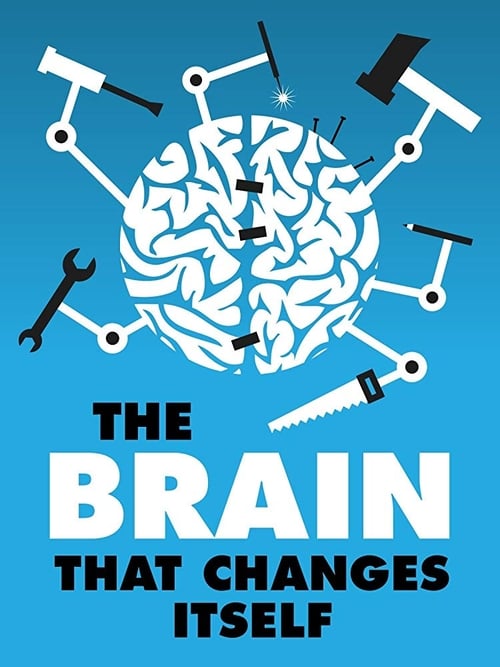
The Brain That Changes Itself
2008
No user ratings available yet
Representation score: 7.7 out of 10
Representation Score
Good
2008
TV-14Director
Louise Lockwood
Runtime
60 minutes
Average Rating
No ratings yetNew Showbiz Analysis
Louise Lockwood’s documentary offers a sophisticated deconstruction of cognitive normalcy. By focusing on the intersection of neurology and musicology, the film moves away from deficit-based models of disability. It prioritizes the lived experiences of neurodivergent individuals, treating their unique perceptions as valid modes of existence. While the film lacks explicit engagement with identity politics regarding race, gender, or sexuality, it succeeds in its primary mission. It challenges the traditional hierarchy of cognitive ability by centering those whose brains function outside standard parameters. The result is a respectful, empowering portrayal that aligns with progressive standards of neurodiversity representation.
Category Breakdown
The film does not specifically highlight LGBTQ+ identities or non-cisgender gender narratives. It maintains a neutral stance without using derogatory language or harmful stereotypes.
The documentary maintains a professional, academic tone. It focuses on the intellectual and creative roles of its subjects, avoiding the reinforcement of submissive femininity.
Subjects are presented through their neurological presentations and musical abilities. The film avoids whitewashing by centering the unique, individual identities of its subjects.
The narrative promotes cognitive relativism by framing neurological conditions as unique modes of existence. This challenges the traditional Western emphasis on standardized cognitive function.
The film excels by treating neurodivergence with scientific rigor and dignity. It avoids inspiration porn, granting subjects significant roles through their musical talents.
Present on Screen
Limited or Absent
Official Synopsis
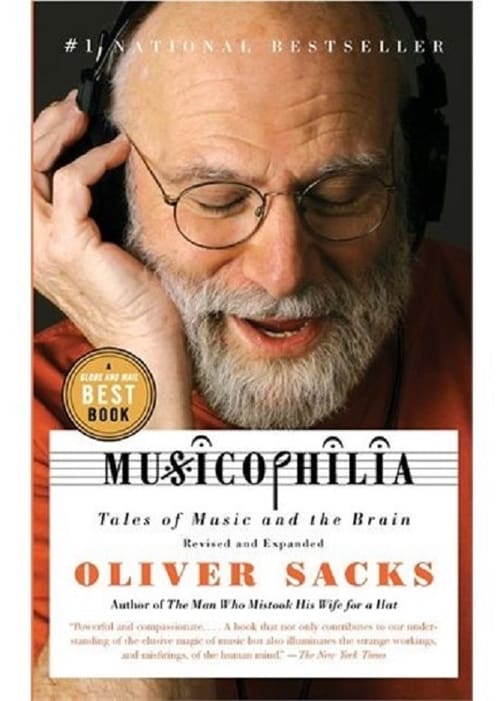
Alan Yentob talks to Dr. Oliver Sacks about his latest book 'Musicophila: Tales of Music and the Brain' which deals with the power of music and how it helps those with extreme neurological conditions, and meets some extraordinary people overcame their conditions with music.
2008
2016
2009
2018

2021

1991
2014
2022
No reviews yet. Be the first to share your thoughts on this movie!
Use the rating form above to leave a star rating and optional review.