The Adulteress
1973
No user ratings available yet
Diversity score: 3.0 out of 10
1965
NRDirector
Ted Kotcheff
Runtime
117 minutes
Average Rating
No ratings yetSynopsis
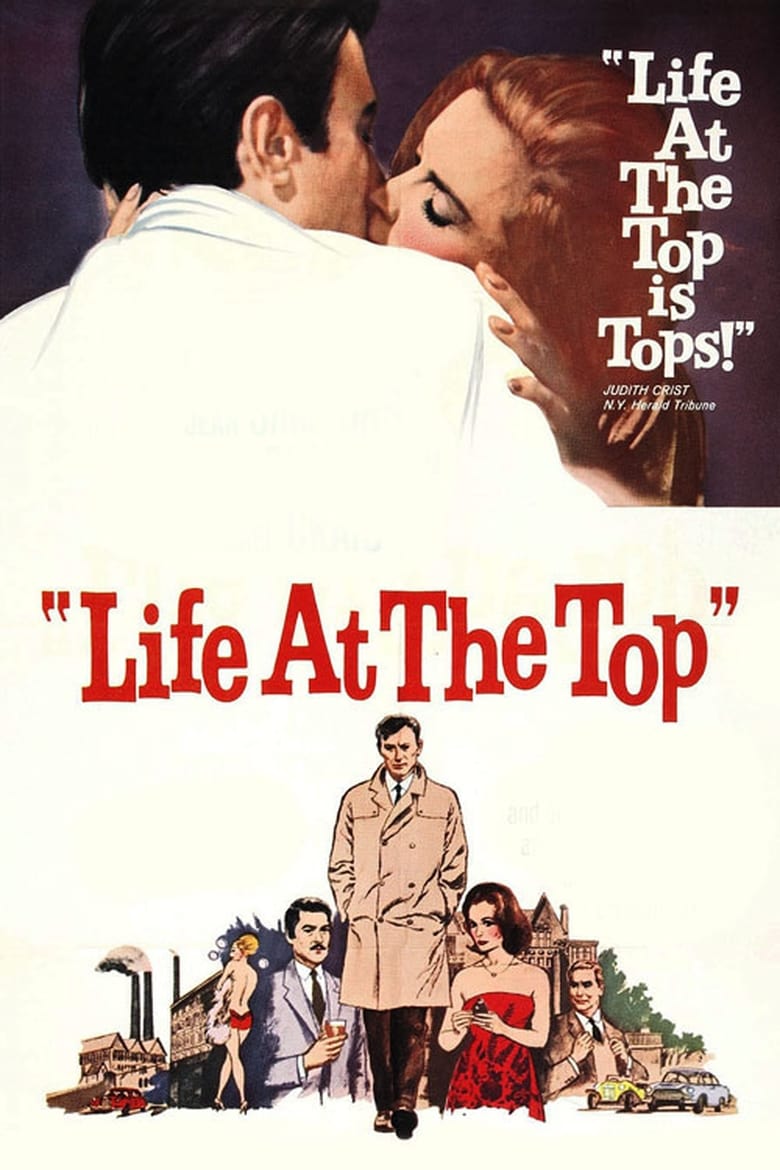
Successful businessman Joe Lampton is married to the wealthy Susan, has two children, and lives in the mill town of Warley in northern England. But his career seems to have plateaued, leaving him disillusioned. This feeling is only exacerbated when he discovers his wife's infidelity with local man Mark. So he takes up with attractive TV host Norah and moves with her to London, aiming to reignite the fire that drove him to the top.
Overall Score
Limited
Category Breakdown
LGBTQ+ Representation
The story centers on heteronormative romantic structures and traditional marriage. There is no evidence of queer narratives or non-cisnormative identities within the plot.
Gender Representation
The film explores the instability of mid-century domestic hierarchies. While female agency is shown through infidelity, the narrative remains anchored in traditional patriarchal roles.
Racial & Ethnic Diversity
Set in a northern English mill town, the film reflects the homogeneous social structures of the 1960s. It lacks a diverse or multi-ethnic cast.
Religious & Cultural Diversity
The narrative critiques the perceived stability of middle-class capitalist success. It deconstructs the idealized Western lifestyle through themes of disillusionment and reinvention.
Disability Representation
There are no visible or invisible disabilities central to the character arcs or the progression of the plot.
Strengths
Areas for Improvement
AI Analysis
Life at the Top is a mid-century social drama that prioritizes character disillusionment over identity politics. It functions as a critique of the idealized nuclear family and the hollow promises of capitalist success, yet it remains a product of its era's demographic homogeneity. The film lacks intersectional complexity, focusing instead on class tensions and the breakdown of traditional social facades. While it subverts the idea of a perfect life, it does not challenge the era's standard social norms regarding race or gender. Ultimately, the work reflects the social constraints of 1965, offering a cynical view of marriage and professional status without incorporating modern representational standards.
1973

1966

1969
1957
1956
1972
1970
1984
1992

1971

1989

1965
No reviews yet. Be the first to share your thoughts on this movie!
Use the rating form above to leave a star rating and optional review.