
Of Human Bondage
1934
No user ratings available yet
Representation score: 4.2 out of 10
Representation Score
Fair
1942
NRDirector
Irving Rapper
Runtime
117 minutes
Average Rating
No ratings yetNew Showbiz Analysis
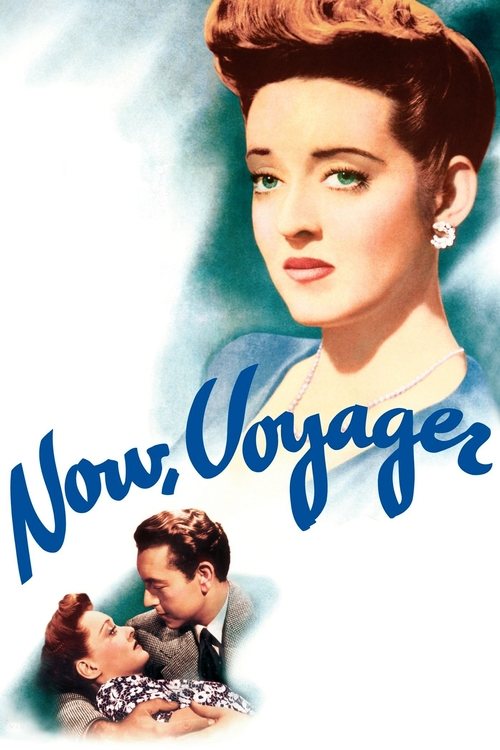
Now, Voyager is a character-driven study of psychological liberation that challenges the rigid domestic expectations of the early 1940s. Its strength lies in its progressive portrayal of female autonomy, moving away from the cliché of the submissive wife toward a model of self-actualization. However, the film remains a product of its time, showing significant gaps in demographic diversity. The lack of racial and LGBTQ+ representation limits the social scope to a homogeneous perspective. Ultimately, the film's value is found in its critique of restrictive social structures. While it uses mental health as a plot device rather than a deep study of disability, its focus on individual ability to act provides a notable departure from typical Hollywood melodramas.
Category Breakdown
The film adheres to the assumption that everyone is straight or cisgender, with no depictions of diverse sexual orientations or gender identities.
The narrative challenges traditional gender roles by focusing on Charlotte Vale’s transition from domestic submission to personal empowerment. It questions patriarchal expectations by depicting marriage as an oppressive institution.
The cast is predominantly homogeneous, reflecting the limited racial and socioeconomic diversity of the 1940s. The film does not include diverse racial or ethnic perspectives.
The story critiques traditional Western social institutions by presenting marital dissolution as essential for survival. It emphasizes personal truth and emotional honesty over strict social conformity.
Mental health issues are used primarily as a narrative catalyst for transformation, but the depiction is more melodramatic than a nuanced exploration of neurodivergence.
Present on Screen
Limited or Absent
Official Synopsis
A woman suffers a nervous breakdown and from an oppressive mother before being freed by the love of a man she meets on a cruise.
1934

1939

1945

1945

1945

1937

1938

1936
No reviews yet. Be the first to share your thoughts on this movie!
Use the rating form above to leave a star rating and optional review.