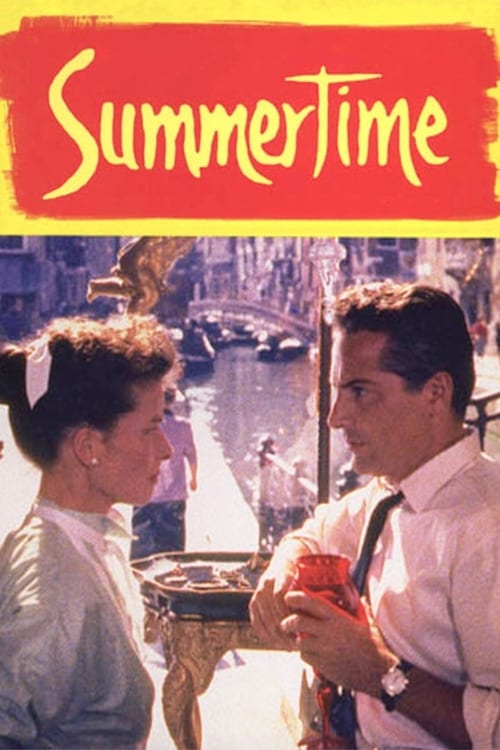
Summertime
1955
No user ratings available yet
Representation score: 3.4 out of 10
Representation Score
Limited
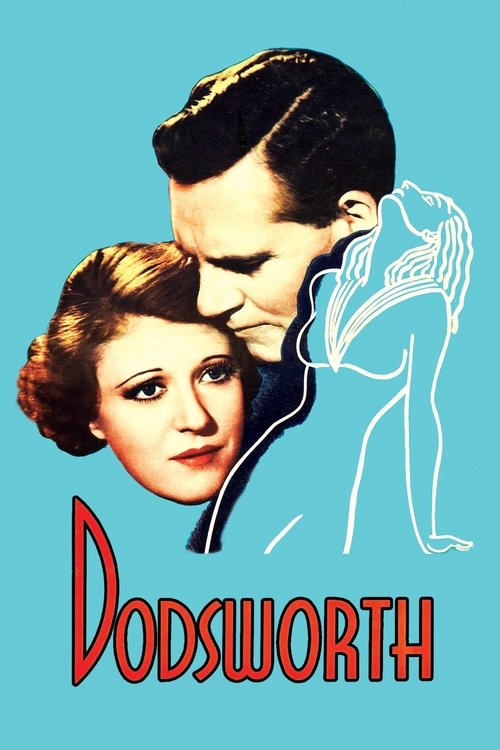
1936
NRDirector
William Wyler
Runtime
101 minutes
Average Rating
No ratings yetNew Showbiz Analysis
Dodsworth presents a nuanced exploration of personal ability to act through the depiction of marital dissolution. Although the film reflects the social norms of the 1930s, the character of Frances stands out as a progressive figure by prioritizing her own desires over traditional domestic roles. However, the film lacks diversity in terms of race and culture. The narrative is deeply rooted in the Anglo-American perspective, which limits its scope to exclude significant racial and cultural diversity. Ultimately, the film serves more as an examination of personal consequences than a broader critique of societal structures. It delves into the breakdown of the family unit but leans towards restoring traditional, practical ideals.
Category Breakdown
The film does not include any LGBTQ+ characters or storylines. All romantic relationships are centered around heterosexual couples.
Frances Dodsworth breaks away from the traditional 'loyal wife' stereotype by playing a significant role in driving the story. Her actions challenge conventional gender roles and domestic expectations.
The cast mainly consists of white actors, reflecting the societal norms of upper-class expatriates in the 1930s. The story primarily focuses on Anglo-American experiences.
The film criticizes the superficiality and moral emptiness of European sophistication. However, it ultimately upholds traditional American values rather than questioning the institution of marriage.
There are no characters with visible or hidden disabilities in the main storyline or supporting cast.
Present on Screen
Limited or Absent
Official Synopsis
A retired auto manufacturer and his wife take a long-planned European vacation only to find that they want very different things from life.
1955

1937

1945

1945

1953

1932

1927

1939
No reviews yet. Be the first to share your thoughts on this movie!
Use the rating form above to leave a star rating and optional review.