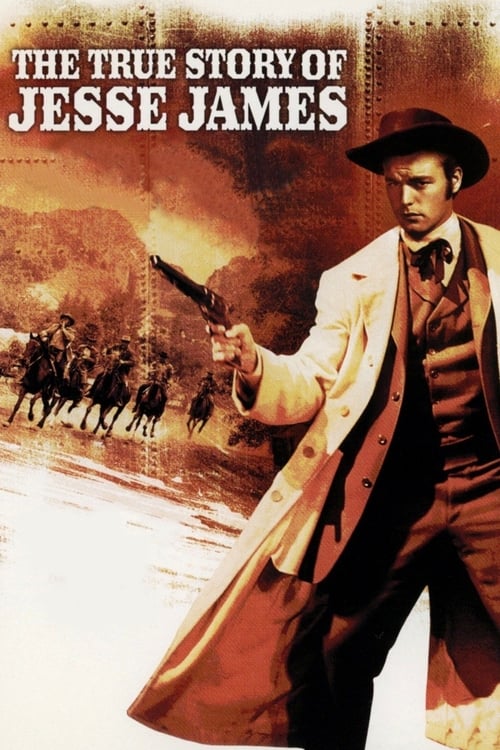
The True Story of Jesse James
1957
No user ratings available yet
Representation score: 1.6 out of 10
Representation Score
Minimal
1948
ApprovedDirector
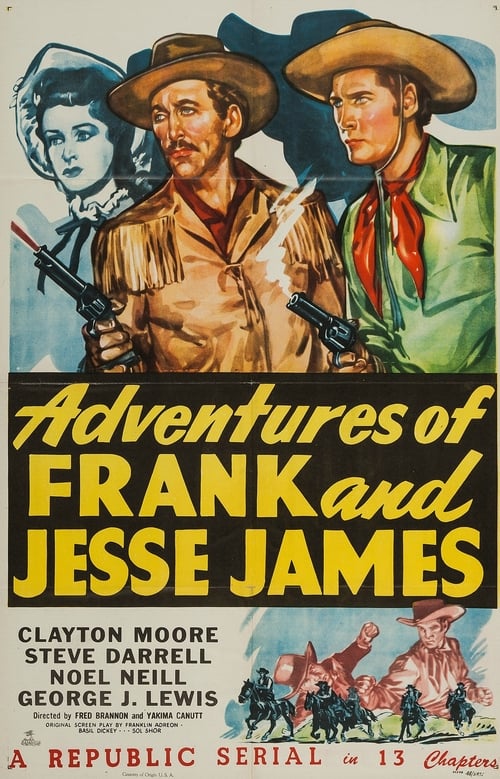
Yakima Canutt, Fred C. Brannon
Runtime
180 minutes
Average Rating
No ratings yetNew Showbiz Analysis
This Western follows standard 1940s genre conventions, emphasizing physical spectacle and traditional clichés over complex social narratives. The plot revolves around the James brothers protecting a gold mine, reinforcing established social hierarchies. The film upholds traditional notions of justice and land ownership rather than challenging systemic norms.
Category Breakdown
The film does not include any LGBTQ+ characters or narratives. It follows the assumption that everyone is straight or cisgender, typical of 1948 cinema.
A female protagonist manages a gold mine, providing her with some economic independence. However, she mainly serves as a catalyst for the male protagonists' actions.
The narrative features a homogeneous white cast, consistent with the era. There is no evidence of racial subversion or a diverse cast.
The story emphasizes traditional Western themes of frontier justice and property protection. It follows conventional notions of individualist heroism and morality.
There is no mention of characters with visible or invisible disabilities in the narrative.
Present on Screen
Limited or Absent
Official Synopsis
Jesse James returns to Missouri, and he and brother Frank come to the aid of a young woman who owns a gold mine. Her father was murdered and she took over the mine, and now the villains who killed her father are trying to drive her out of the mine so they can take it over.
1957

1939
1934
1973

1938
1962
1934
1946
No reviews yet. Be the first to share your thoughts on this movie!
Use the rating form above to leave a star rating and optional review.