
Montana
1950
No user ratings available yet
Representation score: 0.5 out of 10
Representation Score
Minimal
1936
ApprovedDirector
Clarence G. Badger
Runtime
86 minutes
Average Rating
No ratings yetNew Showbiz Analysis
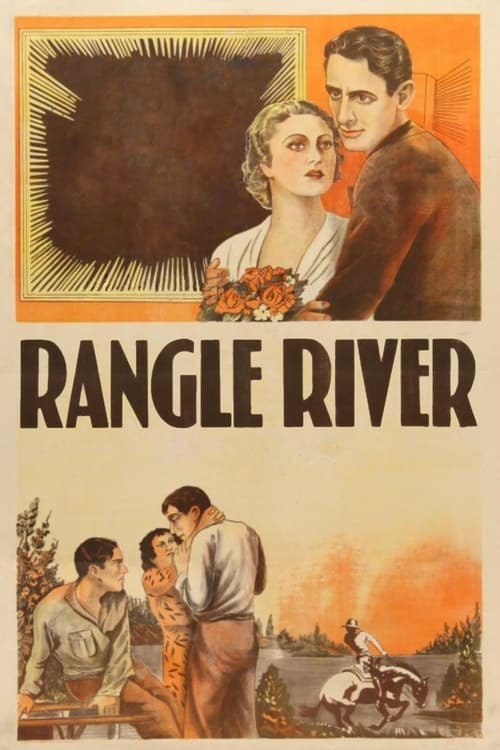
Rangle River functions as a typical genre piece that reinforces the social and racial hierarchies of its time. The film uses established Western clichés to depict a world defined by traditional masculinity and white homogeneity. The narrative structure focuses on maintaining existing socioeconomic structures and patriarchal lines, without seeking to challenge or dismantle the conventions of the 1930s studio system.
Category Breakdown
The film does not include any LGBTQ+ characters or non-cisgender identities. It relies solely on traditional heterosexual social structures typical of 1930s Westerns.
Marion Hastings has some ability to act as the protagonist, but the main conflicts are driven by men. Female roles are centered around domestic life and family legacy.
The cast is mostly white, reflecting the era's typical depiction of the frontier. Characters of color do not have significant roles in the story.
The story highlights frontier justice and land ownership. It upholds the stability of established social and economic orders without critiquing Western institutions.
There are no characters with visible or invisible disabilities. Disability is not used as a narrative device in the film.
Present on Screen
Limited or Absent
Official Synopsis
Marion Hastings returns to her father Dan's cattle property in western Queensland after being away in Europe for fifteen years. She is treated with hostility by her father's foreman, Dick Drake, and her father's neighbour, Don Lawton.
1950
1930
1935
1931
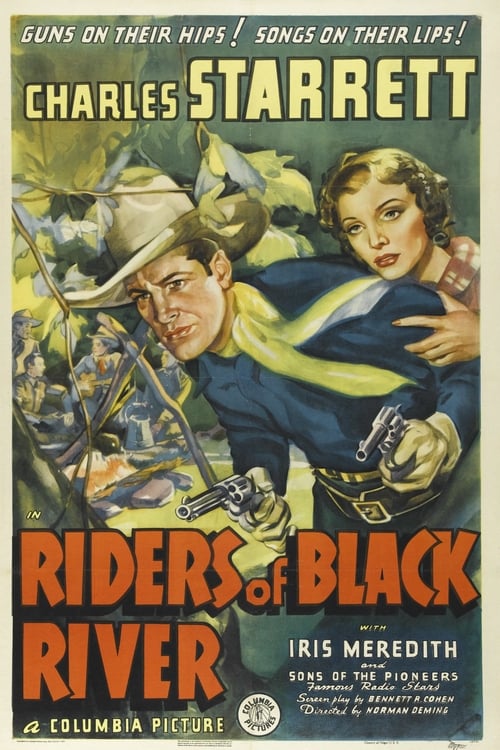
1939
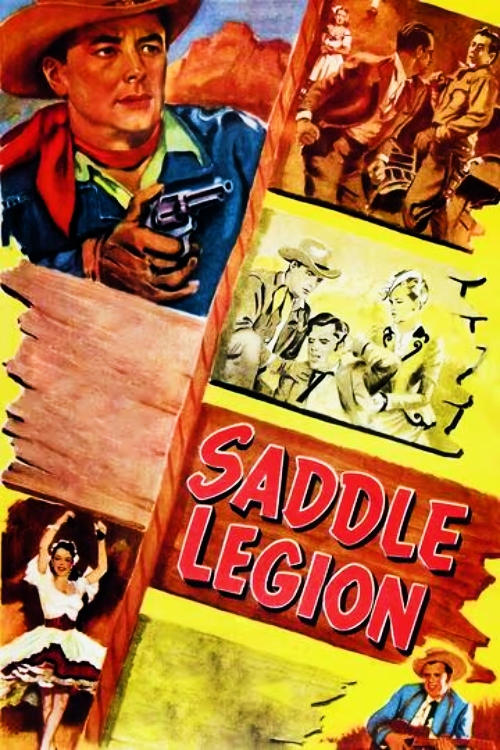
1951
1932
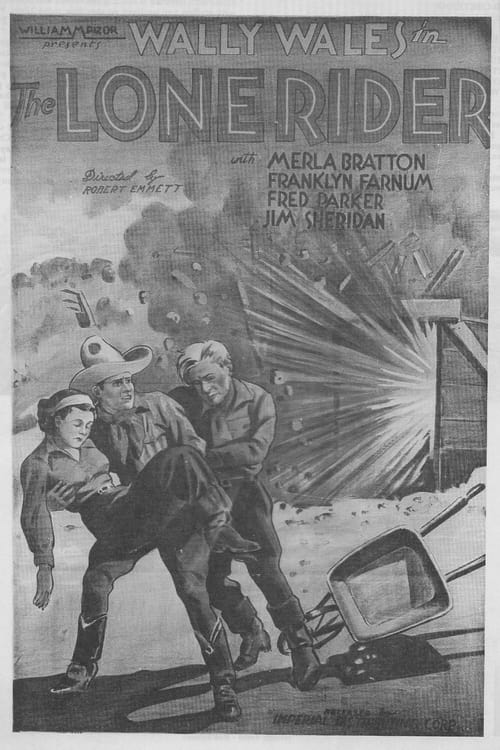
1934
No reviews yet. Be the first to share your thoughts on this movie!
Use the rating form above to leave a star rating and optional review.