Partners
1932
No user ratings available yet
Representation score: 1.7 out of 10
Representation Score
Minimal
1934
ApprovedDirector
Lew Landers
Runtime
310 minutes
Average Rating
No ratings yetNew Showbiz Analysis
The Red Rider is a classic 1930s Western that prioritizes traditional genre clichés over diverse storytelling. The narrative structure is centered on masculine themes of loyalty, honor, and individualistic heroism. Since the film focuses on the bond between two men and the pursuit of justice through physical action, it reinforces the social hierarchies of its time. The story lacks significant representation of women, non-white characters, or LGBTQ+ identities. Ultimately, the film adheres to the homogeneous casting and cultural norms prevalent in early Hollywood cinema.
Category Breakdown
The film does not include any LGBTQ+ characters or non-straight relationships. The story revolves around a traditional bond of loyalty between two men.
The narrative focuses entirely on male roles and masculine stereotypes. It emphasizes traditional male leadership and the heroic male clichés typical of 1930s Westerns.
The film seems to follow the homogeneous casting standards of early Hollywood. It centers on a white protagonist's quest for justice within a conventional Western setting.
The plot engages with traditional Western institutions such as the legal system. It follows a moral path of individual honor without critiquing these institutions systematically.
There is no documented evidence of physical or neurodivergent disabilities in the film. The nickname 'Silent' Slade is an ambiguous trait rather than a confirmed disability.
Present on Screen
Limited or Absent
Official Synopsis
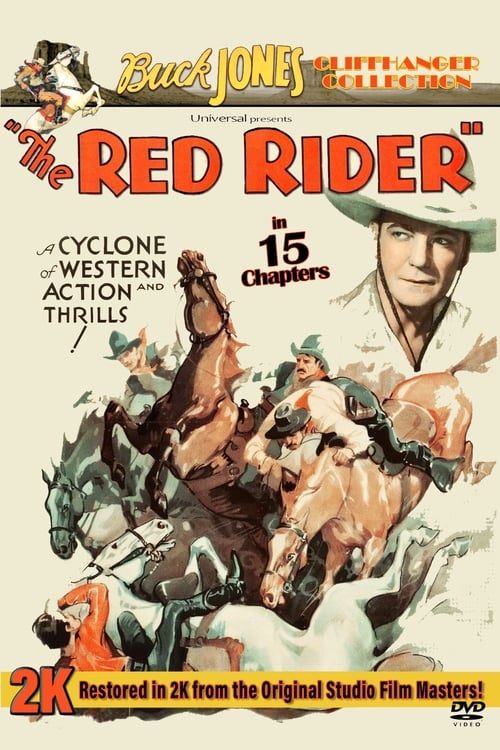
"Red" Davison(Buck Jones), the sheriff of Sun Dog, sacrifices his job and his good name to save his best friend, "Silent" Slade from the hangman's noose, following a framed-up court decision which sentences Slade to hang for the murder of "Scotty McKee (J.P. McGowan). Davidson allows Slade to escape from jail and follows him to aid him in proving his innocence.
1932
1940
1933
1934
1943
1943
1935
1948
No reviews yet. Be the first to share your thoughts on this movie!
Use the rating form above to leave a star rating and optional review.