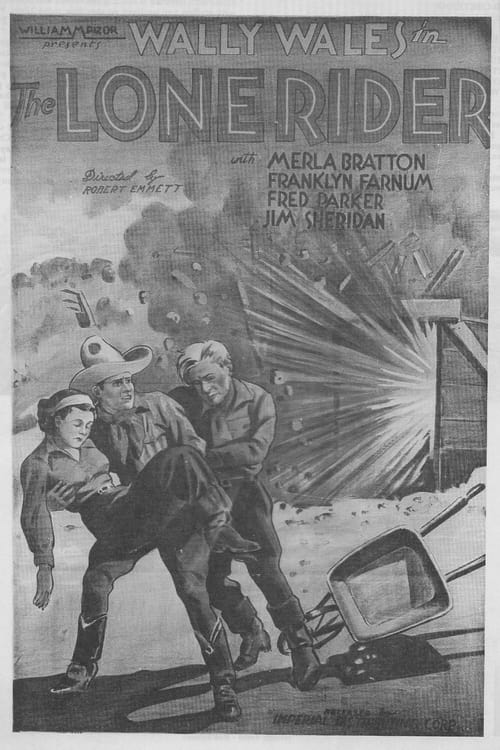
The Lone Rider
1934
No user ratings available yet
Representation score: 1.5 out of 10
No Poster Available
Representation Score
Minimal
1934
PassedDirector
Robert Emmett Tansey
Runtime
28 minutes
Average Rating
No ratings yetNew Showbiz Analysis
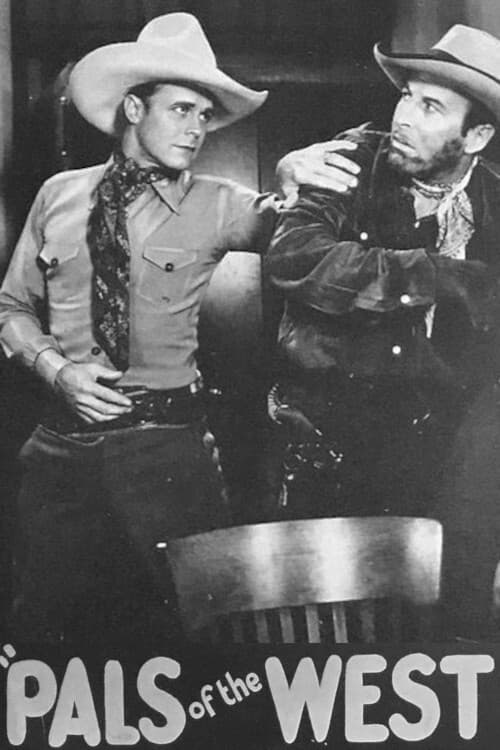
Pals of the Prairie is a classic example of the 1934 B-Western genre. It relies on established clichés of frontier justice, property disputes, and romantic tension to drive its action-adventure narrative. The film reinforces the social hierarchies of its time. It prioritizes traditional heroism and straight relationships, offering little disruption of the period's standard gender or racial norms. Ultimately, the work adheres to the standardized narrative structures of the early sound era, focusing on conventional genre elements without exploring multiple layers of identity.
Category Breakdown
The film follows a strict focus on straight relationships and traditional gender roles. There is no evidence of LGBTQ+ identities or non-binary gender expressions.
A female ranch owner plays a central role, but her influence seems tied to romantic and property-related conflicts. She may function primarily as a catalyst for male-driven actions.
The production reflects the Anglo-centric views typical of early 1930s Westerns. There is no indication of a diverse cast or non-traditional ethnic representation.
The narrative upholds traditional Western values centered around property and romantic stability. It reinforces standard moral archetypes without challenging frontier institutions.
There is no evidence of characters with physical or neurodivergent disabilities. The film does not include any meaningful portrayal of disability or characters with ability to act in this area.
Present on Screen
Limited or Absent
Official Synopsis
Two cowboys get involved with a pretty ranch owner, her crooked fiancé and a robbery.
1934
1930
1934
1940
1928
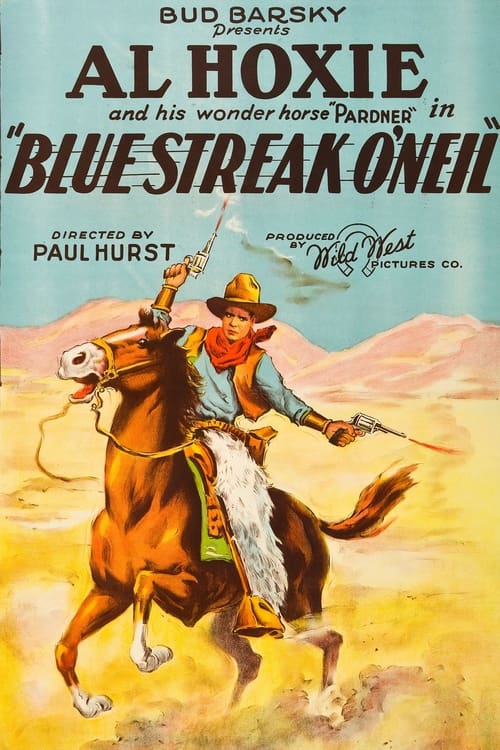
1926
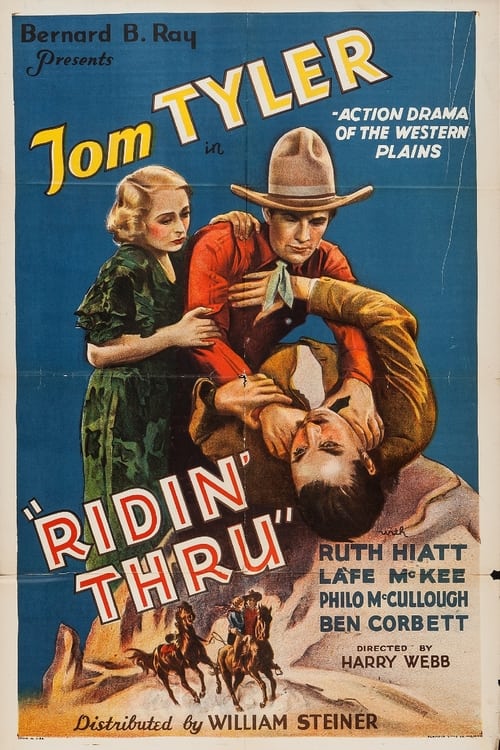
1934

1950
No reviews yet. Be the first to share your thoughts on this movie!
Use the rating form above to leave a star rating and optional review.