
Blondie Plays Cupid
1940
No user ratings available yet
Diversity score: 1.4 out of 10
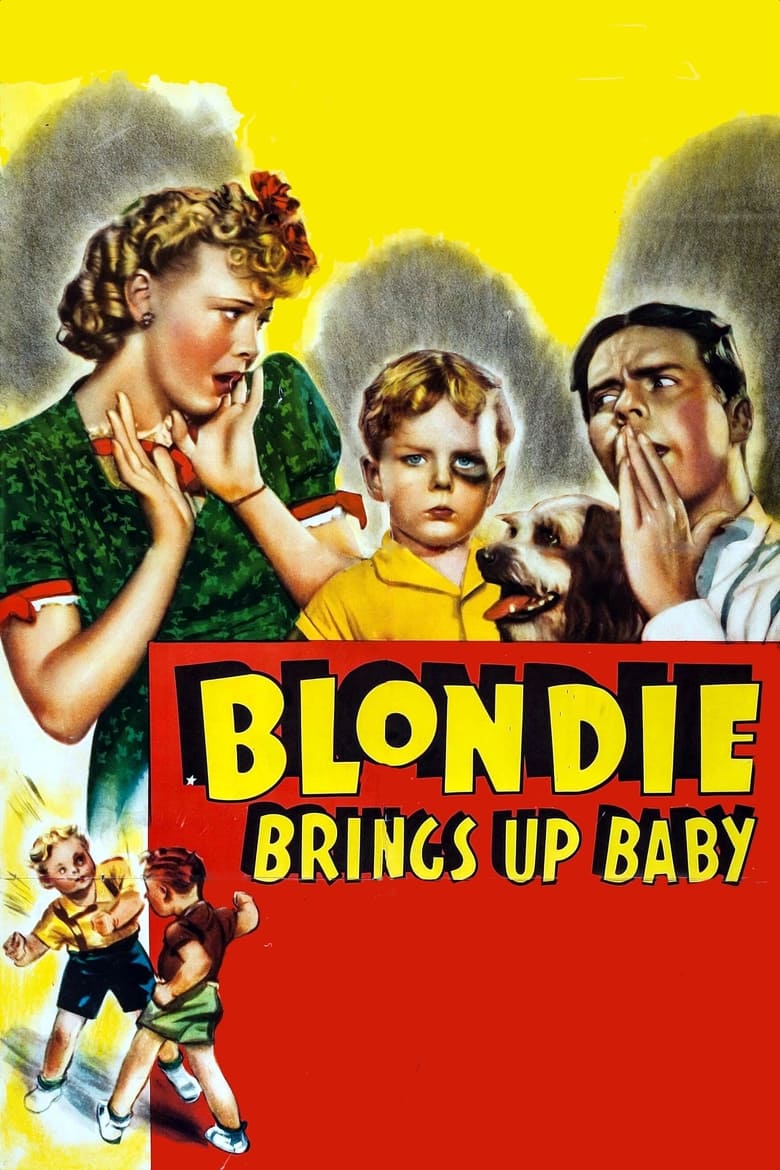
1939
NRDirector
Frank R. Strayer
Runtime
72 minutes
Average Rating
No ratings yetSynopsis
Baby Dumpling, the six-year-old son of Blondie and Dagwood Bumstead disappears from sight during his first day at school. While Dagwood frantically combs the city in search of the boy, Baby Dumpling spents a nice, safe afternoon with poor little rich girl Melinda Mason, who with her new playmate's help arises from her sickbed to walk across the room for the first time in months.
Overall Score
Limited
Category Breakdown
LGBTQ+ Representation
The film lacks any evidence of non-cisnormative identities or same-sex intimacy. The story centers on a traditional nuclear family structure typical of the era.
Gender Representation
While Melinda Mason shows agency by overcoming physical limitations, the central conflict revolves around Dagwood's frantic search. Roles largely align with mid-century gender archetypes.
Racial & Ethnic Diversity
The cast appears to reflect the homogeneous casting norms of 1930s American cinema. There is no indication of non-white or non-Anglo-Saxon characters.
Religious & Cultural Diversity
Themes focus on family, parenthood, and social stability. The plot avoids critiques of Western institutions, favoring conventional domestic responsibility.
Disability Representation
Melinda Mason provides a focal point for disability representation as she overcomes being bedridden. It remains unclear if this is nuanced or a sentimental plot device.
Strengths
Areas for Improvement
AI Analysis
Blondie Brings Up Baby is a product of the 1939 studio system, prioritizing traditional domestic narratives over social subversion. It reinforces the era's heteronormative and homogeneous social standards through its character archetypes and family-centric plot. The film offers minimal diversity, focusing almost exclusively on a standard Western family unit. While the subplot involving Melinda Mason's physical recovery provides a rare moment of character-driven agency, it does not disrupt the broader social hierarchies presented. Ultimately, the film functions as a conventional period piece. It lacks intersectional complexity, instead centering on the preservation of the domestic unit and established cultural norms.
1940
1940
1942
1939

1943
1938

1939
1951
1934
1937

1942
1948
No reviews yet. Be the first to share your thoughts on this movie!
Use the rating form above to leave a star rating and optional review.