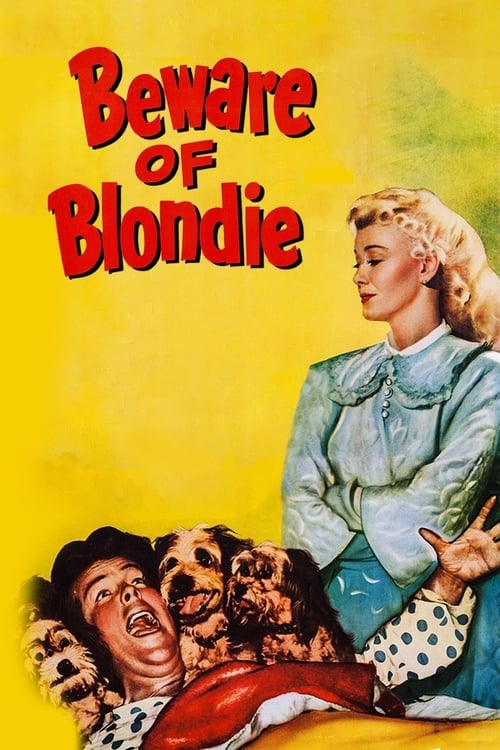
Beware of Blondie
1950
No user ratings available yet
Representation score: 0.4 out of 10

Representation Score
Minimal
1939
PassedDirector
Frank R. Strayer
Runtime
75 minutes
Average Rating
No ratings yetNew Showbiz Analysis
Blondie Meets the Boss is a comedy that prioritizes traditional domestic archetypes and slapstick humor over social complexity. The narrative mirrors the social norms of 1939 without challenging them. The film relies heavily on established clichés, such as the bumbling male provider, to drive its comedic engine. This focus on traditional hierarchies results in a lack of depth in representing diverse identities. Ultimately, the production reflects the homogeneity of its era, presenting a singular, Western-centric view of middle-class life without engaging with diverse identities or lived experiences.
Category Breakdown
The film does not include any visible representation of LGBTQ+ identities. It adheres to traditional gender roles without exploring queer identities.
Blondie demonstrates a significant role in driving the story by securing employment, while the comedy relies on Dagwood's incompetence. The film reinforces traditional gender roles and professional divides.
The cast is predominantly Anglo-Saxon, with no indication of racial blending or diverse ethnic backgrounds.
The story emphasizes nuclear family stability and middle-class values. It operates within the conventional social frameworks of 1939.
There are no depictions of physical, sensory, or neurodivergent identities. Characters are portrayed as fully able-bodied.
Present on Screen
Limited or Absent
Official Synopsis
Dagwood inadvertently gets cornered in to resigning. When his wife Blondie tries to ask Dagwoods boss Mr. Dithers for his job back, he ends up hiring her instead. This doesn't sit too well with Dagwood. Blondie's sister comes to visit, and Dagwood is put in a compromising situation with another woman.
1950
1947

1946

1947
1943
1939
1935

1942
No reviews yet. Be the first to share your thoughts on this movie!
Use the rating form above to leave a star rating and optional review.