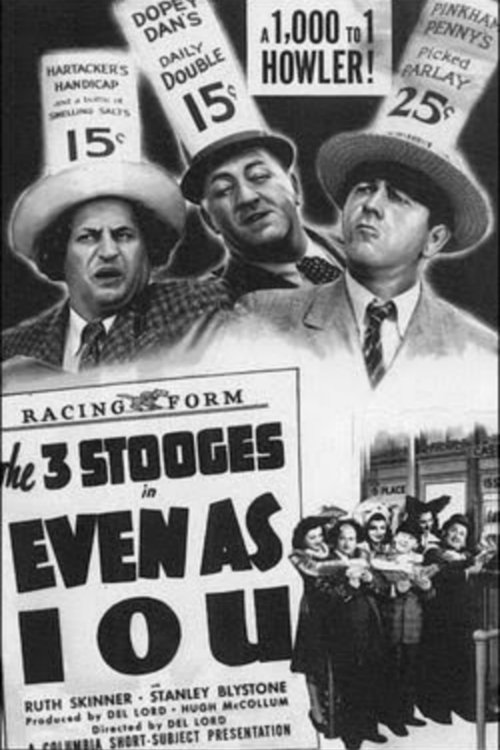
Even as IOU
1942
No user ratings available yet
Representation score: 1.6 out of 10
Representation Score
Limited
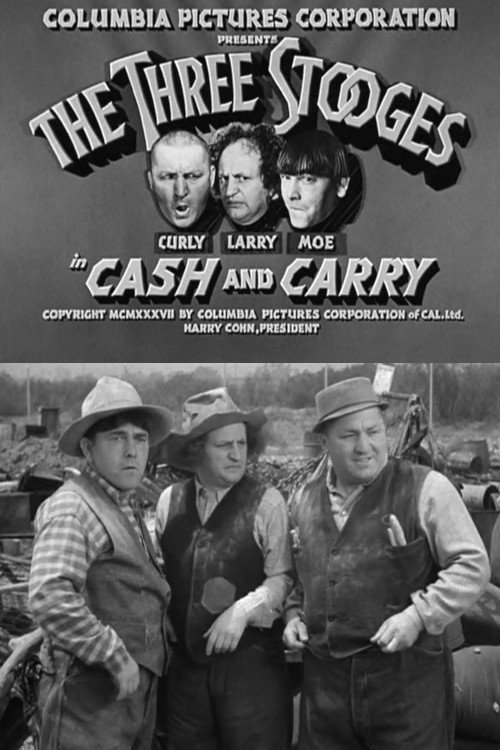
1937
NRDirector
Del Lord
Runtime
18 minutes
Average Rating
No ratings yetNew Showbiz Analysis
Cash and Carry is a product of the 1930s slapstick tradition, prioritizing physical comedy over sociopolitical depth. The narrative is driven by the Three Stooges and a central plot involving a child's medical crisis, which dictates the film's emotional tone. While the film includes a character with a disability, it uses this condition as a plot device to motivate the protagonists. This approach leans into sentimental clichés rather than offering a nuanced or active portrayal of physical disability. Ultimately, the film reinforces existing social hierarchies. From its homogeneous casting to its reliance on institutional authority for a happy ending, it lacks intentional characters who reflect more than one aspect of diversity or subversive storytelling.
Category Breakdown
The film does not include any LGBTQ+ characters or non-assuming gender matches what was assigned at birth identities. It follows the typical comedic structures of the 1930s.
The story centers around male protagonists and a male child. A sister is mentioned, but her role is secondary to the boy's medical needs.
The film lacks a diverse cast and meaningful non-white characters. It adheres to the homogeneous casting standards of the 1930s studio system.
The plot examines socioeconomic struggle and institutional benevolence. The resolution via the President upholds traditional Western political structures without critique.
A disabled boy serves as the central plot catalyst. However, his condition is used primarily as a tool for emotional manipulation and sentimental clichés.
Present on Screen
Limited or Absent
Official Synopsis
The Stooges find a crippled boy and his sister living in their dumpyard shack. To raise money to pay for the little boys operation they buy a phony treasure map from a con man. Thinking the treasure is buried beneath an old house, the boys start digging and wind up in a US treasury vault where they are promptly arrested. The president (FDR) gives them amnesty and arranges for the boy's operation.
1942

1941
1943
1945
1940
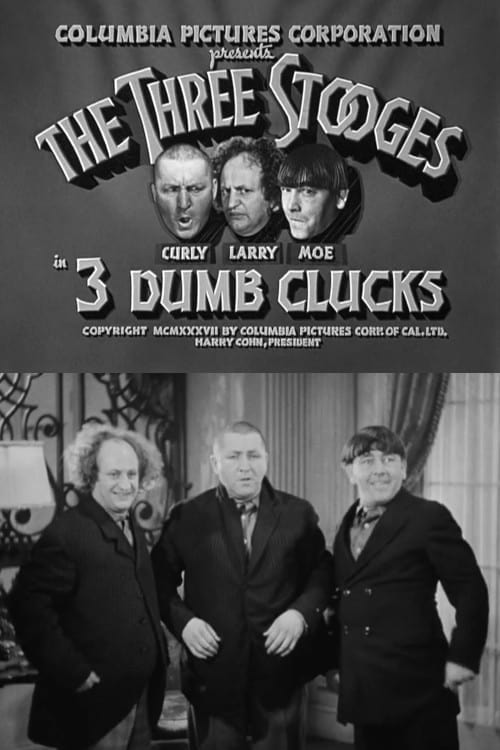
1937
1948
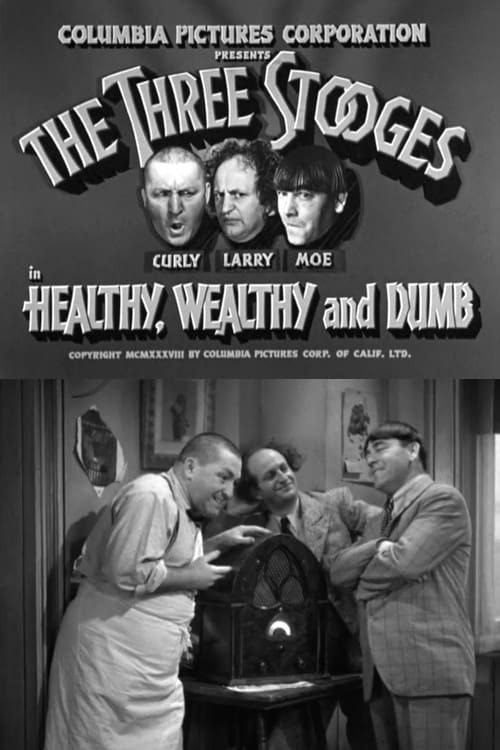
1938
No reviews yet. Be the first to share your thoughts on this movie!
Use the rating form above to leave a star rating and optional review.