
Devilman - Volume 1: The Birth
1987
No user ratings available yet
Representation score: 5.4 out of 10
Representation Score
Fair
1990
TV-MADirector
Umanosuke Iida
Runtime
57 minutes
Average Rating
No ratings yetNew Showbiz Analysis
Devilman - Volume 2: Demon Bird is a dark fantasy horror piece that prioritizes visceral action and cosmic dread over social representation. While it lacks modern markers of diversity, it succeeds in deconstructing traditional moral binaries. The film's strength lies in its philosophical approach to conflict. By framing the battle between humans and demons as a struggle of subjective ethics, it challenges the standard 'good vs. evil' framework found in many heroic narratives. However, the work remains rooted in the era's limitations. It offers little in the way of diverse gender roles, racial variety, or LGBTQ+ exploration, focusing instead on the protagonist's singular struggle.
Category Breakdown
Representation is negligible in this volume. The narrative focuses on the existential struggle between Akira Fudo and the demon Silen rather than exploring sexual identity.
The story follows traditional dark fantasy clichés centered around a male protagonist. There is little evidence of nuanced women's ability to drive the story or the subversion of gender hierarchies.
The character designs reflect a homogeneous demographic typical of 1990s anime. The production lacks visible diversity in ethnicity or cultural backgrounds.
The film excels by using moral relativism to disrupt religious certainties. It critiques the stability of the status quo through a lens of systemic instability.
The protagonist's transformation involves significant physical and psychological alterations. However, these changes function primarily as horror elements rather than meaningful disability representation.
Present on Screen
Limited or Absent
Official Synopsis
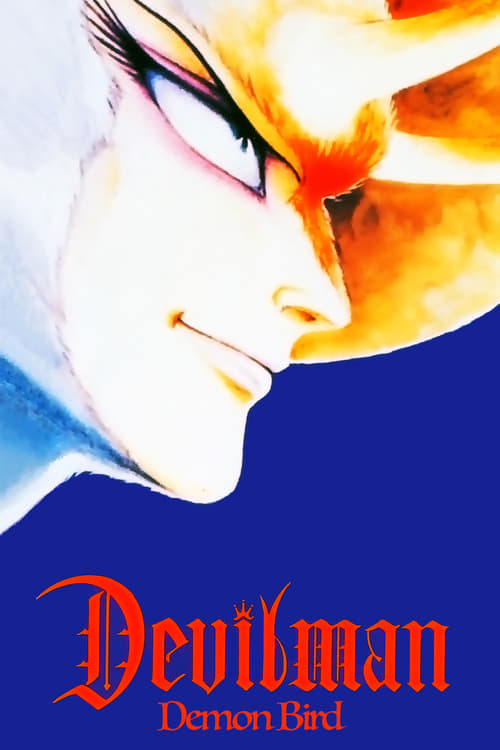
Akira Fudo, adjusting to his new powers as Devilman, is in for a heap of trouble as his newest enemy sent from the demon world is Sirene, the demon bird, who has more than a few tricks up her feathery sleeves to keep him and humanity at the brink of extinction.
1987

1988

1993

1989
1991

2000

1993

2007
No reviews yet. Be the first to share your thoughts on this movie!
Use the rating form above to leave a star rating and optional review.