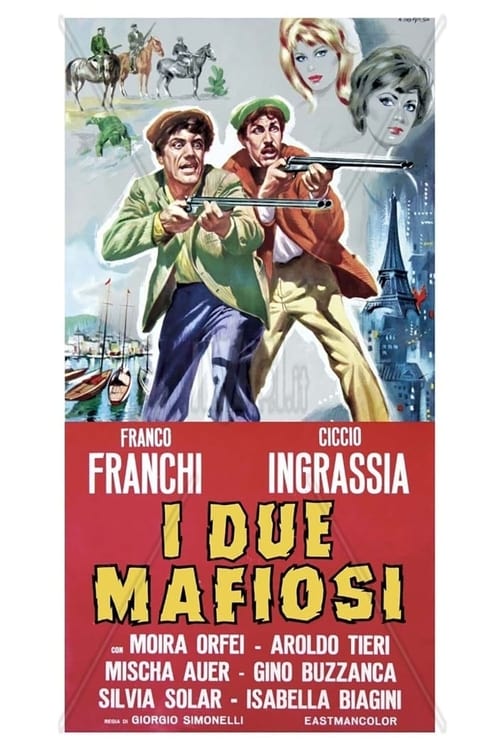
The Two Mafiosi
1964
No user ratings available yet
Representation score: 1.8 out of 10
Representation Score
Limited
1960
Director
Camillo Mastrocinque
Runtime
102 minutes
Average Rating
No ratings yetNew Showbiz Analysis
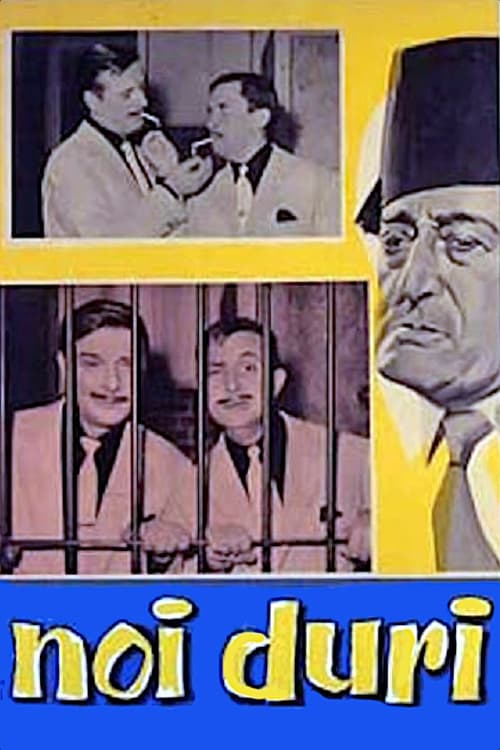
Noi duri is a traditional genre piece that reflects the social and cultural norms of its time. It adheres to the established cinematic standards of the mid-20th century rather than attempting to disrupt them. The film lacks intentional diversity in representation. It focuses on conventional romantic and social conflicts, reinforcing the societal norms of 1960s Italy through its casting and thematic elements. Ultimately, the work functions as a product of its era, prioritizing genre-specific clichés over the deconstruction of identity or social hierarchies.
Category Breakdown
The film follows traditional heterosexual norms typical of 1960s European cinema. There is no indication of characters with non-binary or transgender identities, nor narratives that challenge traditional social structures.
The story likely reinforces traditional gender roles common in mid-century melodramas. Female characters may have emotional influence but operate within patriarchal constraints without challenging male dominance.
The film reflects the demographics of 1960s Italy, likely featuring a homogeneous cast. There is no evidence of a diverse, multi-ethnic ensemble or actors playing roles outside their traditional ethnic backgrounds.
The story seems rooted in traditional Catholic values and community-based morality. It upholds Western institutions rather than presenting secular or anti-capitalist critiques.
If characters with disabilities are present, they likely serve as devices for evoking sympathy rather than receiving nuanced representation. There is no evidence of meaningful roles for characters with disabilities.
Present on Screen
Limited or Absent
Official Synopsis
Lieutenant Bombardone is in Paris to wipe out a gang of drug traffickers.
1964
1965
1971
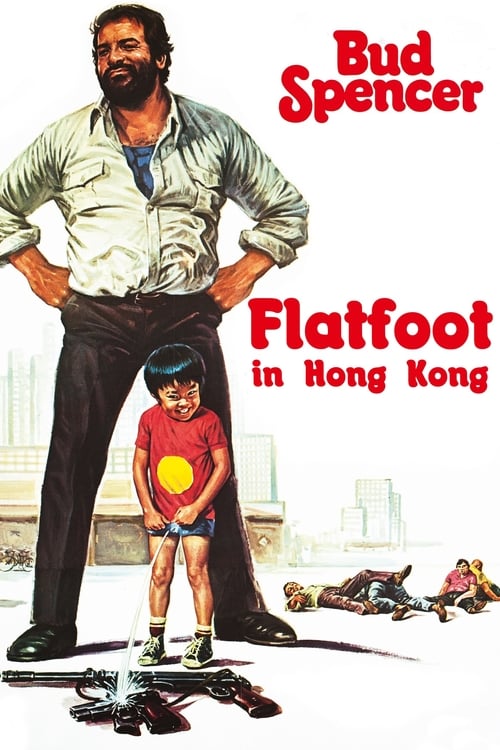
1975
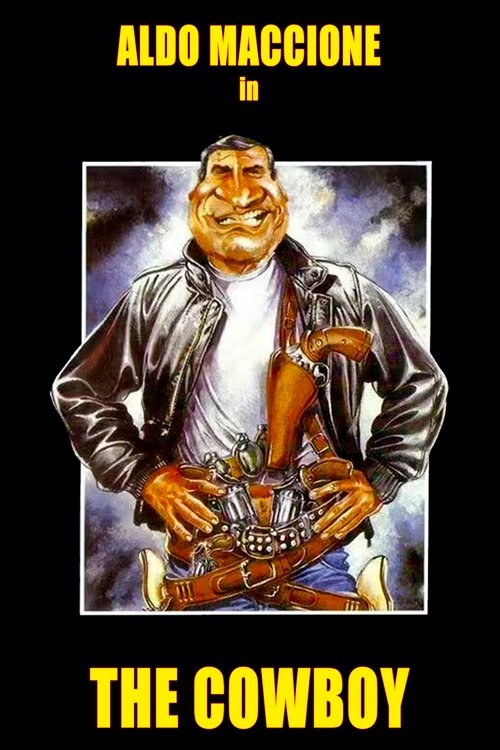
1985

1960
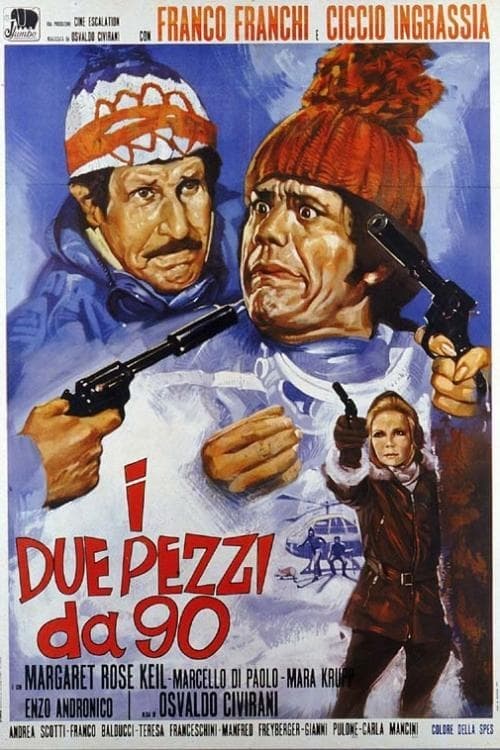
1971
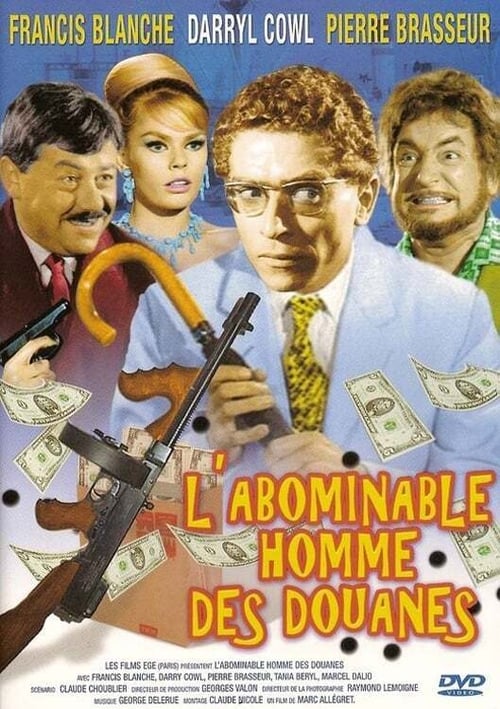
1963
No reviews yet. Be the first to share your thoughts on this movie!
Use the rating form above to leave a star rating and optional review.