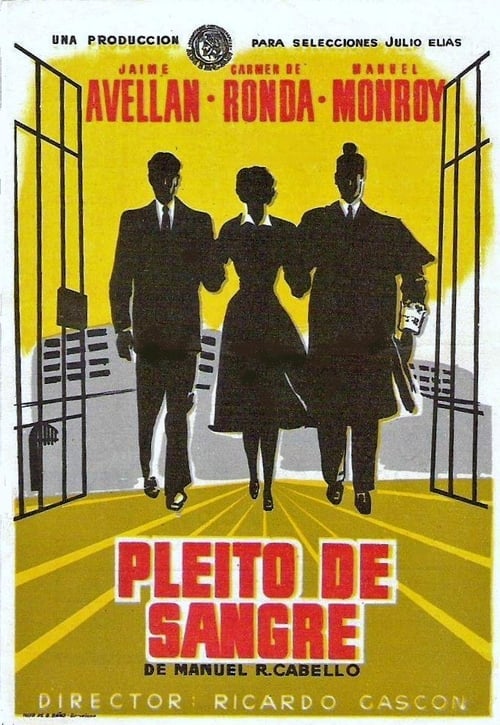
Pleito de sangre
1956
No user ratings available yet
Representation score: 1.6 out of 10
Representation Score
Limited
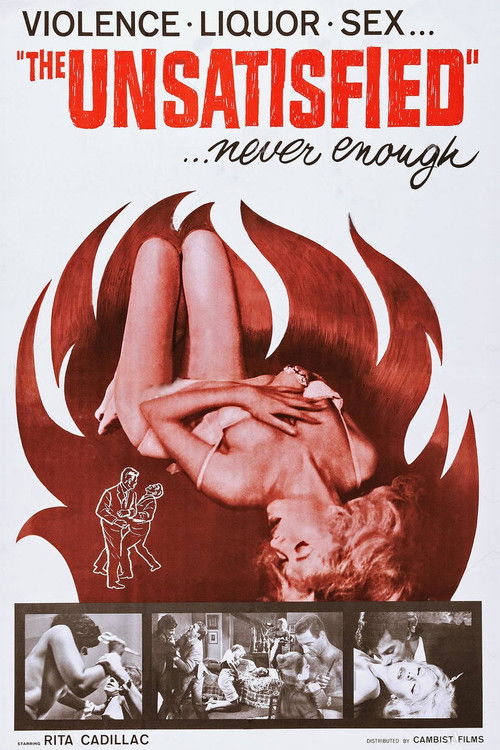
1961
Director
Ignacio F. Iquino
Runtime
92 minutes
Average Rating
No ratings yetNew Showbiz Analysis
The film adheres to the standard social and cinematic conventions of the early 1960s. It follows a traditional crime-and-punishment storyline that emphasizes genre clichés over social critique. While the narrative centers on a female character, she primarily functions as a plot device rather than an independent character. The focus remains on the male-led investigation into blackmail and narcotics. Overall, the work aligns with the era's conventional structures, offering little in the way of multi-layered representation or systemic challenges.
Category Breakdown
The story revolves around a heterosexual relationship between a young woman and her boyfriend. There are no representations of LGBTQ+ identities or narratives that question the assumption that everyone is straight.
The female character serves as the main catalyst for the plot, but her role remains limited. Her vulnerability is used to drive the male commissioner's investigation.
The film likely features a predominantly white cast typical of 1961 Spanish cinema. There is no indication of diverse casting or a break from demographic norms.
The plot depends on established legal and social systems to solve the crime. It portrays the commissioner as essential for restoring order against organized crime.
The film does not provide any specific evidence regarding the portrayal of physical or neurodivergent disabilities.
Present on Screen
Limited or Absent
Official Synopsis
A young woman is stabbed in a bar frequented by criminals and her boyfriend is arrested as the main suspect. However, when the girl finally dies, they assign the case to a commissioner, father of the detainee. He will discover that behind the crime is a dark network of blackmail and drugs.
1956

2011
1965
1961

1951
1957
1954

1964
No reviews yet. Be the first to share your thoughts on this movie!
Use the rating form above to leave a star rating and optional review.