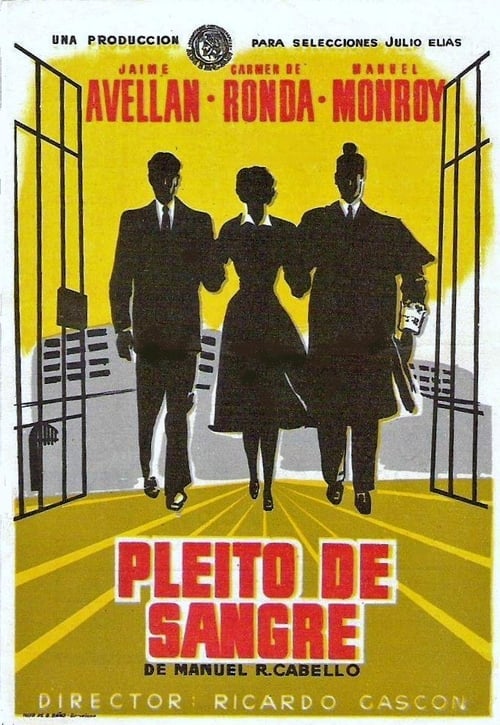
Pleito de sangre
1956
No user ratings available yet
Representation score: 1.6 out of 10
Representation Score
Minimal
1951
Director
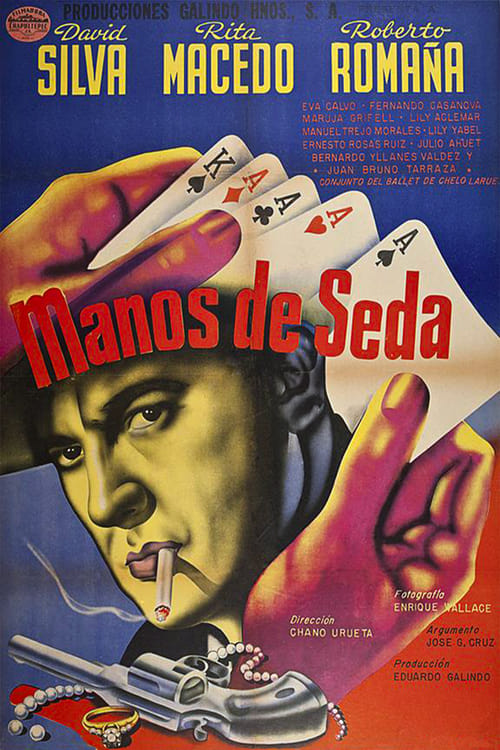
Chano Urueta
Runtime
80 minutes
Average Rating
No ratings yetNew Showbiz Analysis
Manos de seda is a standard genre piece that reflects the industrial and social norms of 1950s Mexican cinema. It functions within established dramatic frameworks rather than attempting to subvert social hierarchies. The film's representation is largely homogeneous, focusing on traditional melodrama clichés. While it features a non-Anglo-Saxon cast typical of its era, it lacks multi-layered depth or disruption of ethnic hierarchies. Ultimately, the work prioritizes individual morality and romantic entanglements over social critique. It serves as a product of its historical context, adhering to the period's conventional social structures.
Category Breakdown
The film follows the straight-centered social norms of 1950s Mexican melodrama. There are no queer narratives or characters with diverse gender identities.
Female characters likely play significant roles in driving the conflict through their emotions but often occupy positions defined by victimhood. The film reinforces traditional gender roles without challenging them.
The cast is mainly Mexican, reflecting the domestic population during the Golden Age. However, the film operates within a culturally homogeneous framework.
The narrative relies on conventional moral frameworks centered on passion and betrayal. It lacks any critique of traditional Western institutions or secular themes.
There are no documented instances of characters with visible or invisible disabilities. Such characters are not portrayed with ability to act or used as plot devices.
Present on Screen
Limited or Absent
1956

1949
1987

2018
1987

1951
1995
1973
No reviews yet. Be the first to share your thoughts on this movie!
Use the rating form above to leave a star rating and optional review.