Manos de seda
1951
No user ratings available yet
Representation score: 1.5 out of 10
Representation Score
Minimal
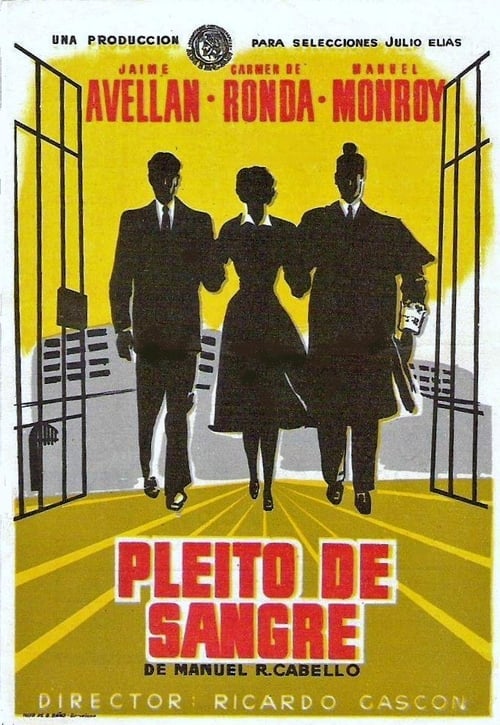
1956
Director
Ricardo Gascón
Runtime
81 minutes
Average Rating
No ratings yetNew Showbiz Analysis
Pleito de sangre operates within the rigid social and cinematic norms of 1956, emphasizing traditional moral hierarchies and narrative structures common to mid-century crime dramas. While the film features notable female performers, their roles are often limited to traditional feminine roles. The homogeneous social structure depicted in the film lacks the diverse representation seen in contemporary works. The film reinforces social order through conventional character archetypes and moral values.
Category Breakdown
The film does not include any characters with non-binary gender identities or same-sex relationships, reflecting the strict censorship of the time.
Women like Carmen de Ronda play significant roles, but they are often confined to traditional feminine roles such as domesticity or victimhood.
The cast is predominantly Spanish-speaking and reflects a homogeneous social structure, with no indication of diverse racial casting.
The film upholds conventional moral values typical of mid-century crime dramas, reinforcing social order without exploring alternative viewpoints.
There is no verifiable evidence regarding the portrayal of physical or neurodivergent disabilities within the film's cast or narrative.
Present on Screen
Limited or Absent
1951

1949
1987
1987

1951
1959
1961
1995
No reviews yet. Be the first to share your thoughts on this movie!
Use the rating form above to leave a star rating and optional review.