The Midnight Story
1957
No user ratings available yet
Representation score: 1.9 out of 10
Representation Score
Minimal
1964
Director
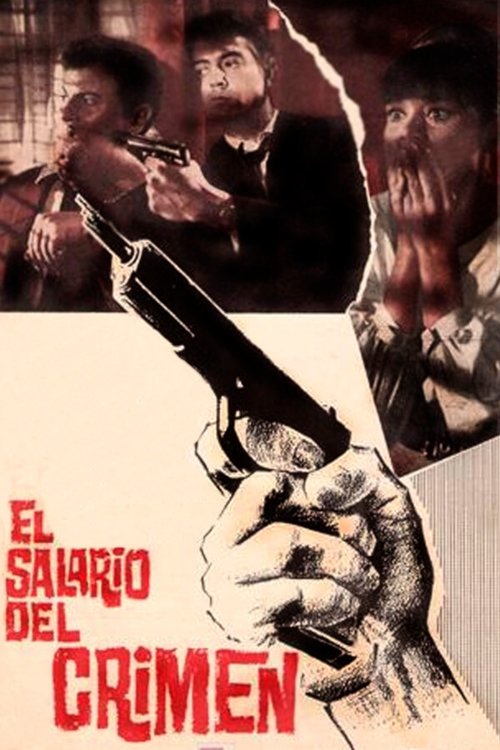
Julio Buchs
Runtime
91 minutes
Average Rating
No ratings yetNew Showbiz Analysis
The film operates within the rigid dramatic structures of the 1960s, prioritizing institutional loyalty and traditional romantic conflict. The narrative focuses on a man's descent from principled law enforcement into personal chaos caused by an illicit affair. Representation is limited by the era's conventions. The film relies on established clichés, such as the femme fatale, which reinforce traditional social and gender hierarchies rather than challenging them. Ultimately, the work functions as a standard genre piece of its time, offering little disruption to the status quo regarding identity or social diversity.
Category Breakdown
The story centers on a heterosexual relationship. There is no representation of LGBTQ+ identities or non-assuming gender matches what was assigned at birth perspectives.
The film employs a traditional gender dichotomy. Elsa fits the classic femme fatale archetype, acting as a catalyst for the protagonist's moral destabilization.
The film likely reflects the demographic homogeneity typical of mid-century crime dramas. It follows the standard social hierarchies of its era.
The narrative values traditional authority and familial duty. Conflict arises from a deviation from the police institution and conventional morality.
There is no evidence of characters with visible or invisible disabilities in the film.
Present on Screen
Limited or Absent
Official Synopsis
Mario, the son of a police captain killed in the line of duty, is completely surrendered to the police organization. Instructing some errands meet Elsa, original and fascinating beauty, beginning an illicit affair and exciting. This makes his firmest principles are shaken, transformed his life completely absurd entering a maelstrom revolving around the existence of Elsa surface.
1957

1949

1951

1952
1956
1991
1961
1952
No reviews yet. Be the first to share your thoughts on this movie!
Use the rating form above to leave a star rating and optional review.