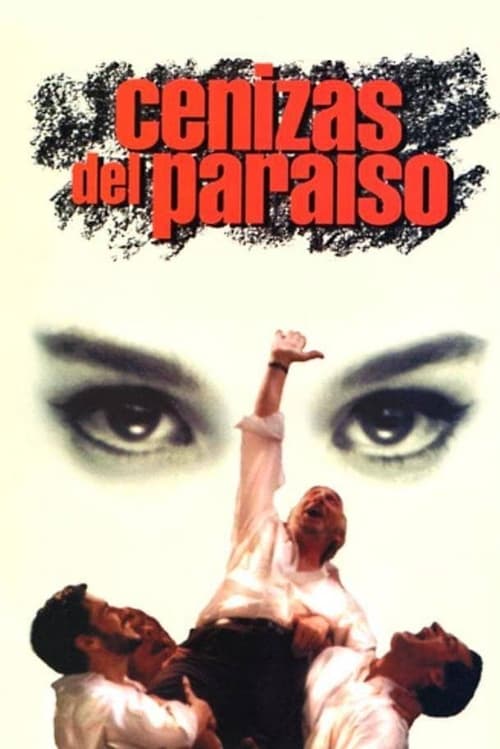
Cenizas del paraíso
1997
No user ratings available yet
Representation score: 5.5 out of 10

Representation Score
Limited
2011
Not RatedDirector
Enrique Urbizu
Runtime
114 minutes
Average Rating
No ratings yetNew Showbiz Analysis
Enrique Urbizu’s thriller is a gritty deconstruction of the police procedural that prioritizes moral ambiguity over demographic variety. While the film remains anchored in a conventional social landscape with a largely white, masculine-centric cast, it finds its strength in narrative subversion. By dismantling the myth of the righteous lawman, the film challenges traditional hierarchies of law and order. It replaces institutional morality with a postmodern, relativistic view of justice, where the distinction between protector and predator is blurred. Ultimately, the work trades the overlapping aspects of identity for a complex critique of state authority, offering a brutal look at survival within a fragile judicial system.
Category Breakdown
The film focuses solely on straight relationships and does not include any LGBTQ+ characters or stories involving queer identities.
The story is primarily driven by male characters and their conflicts. Women are mostly sidelined and play minor roles in the plot.
The cast mainly consists of actors from a specific region, lacking diverse ethnic representation.
The film effectively critiques traditional Western institutions and presents a cynical view of state authority and the judicial system.
There is no meaningful depiction of physical or neurodivergent disabilities. Alcoholism and psychological issues are used as typical thriller flaws rather than exploring disability.
Present on Screen
Limited or Absent
Official Synopsis
Madrid, the beginning of the century. One day, the police inspector Santos Trinidad coming home very drunk, is involved in a triple murder. But there is a witness who managed to escape and that could incriminate him. Santos undertakes an investigation to locate and eliminate the witness. Meanwhile, Chacón a judge in charge of investigating the triple murder, meticulously advances in the search for the murderer. Santos and Chacon soon discover that what seemed a simple case of drug trafficking is actually something far more dangerous.
1997

2011

2007
2010
2023
1983

2015
2009
No reviews yet. Be the first to share your thoughts on this movie!
Use the rating form above to leave a star rating and optional review.