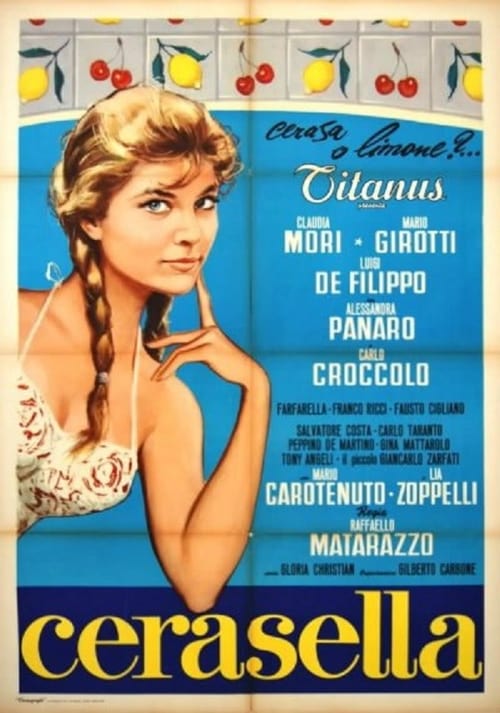
Cerasella
1959
No user ratings available yet
Representation score: 2.1 out of 10
Representation Score
Limited
1959
Director
Sokrates Kapsaskis
Runtime
84 minutes
Average Rating
No ratings yetNew Showbiz Analysis
Lisa, Tosca of Athens is a product of its 1959 Mediterranean context, balancing individual ability to act against rigid social norms. The protagonist's decision to flee an arranged marriage provides a refreshing subversion of the submissive female cliché common in the era. However, the film remains anchored in traditional hierarchies. The romantic resolution and the lack of diverse racial or LGBTQ+ representation keep the narrative within the standard boundaries of mid-century romantic comedy. Ultimately, the film offers a glimpse of early female independence while remaining tethered to the conventional social structures of its time.
Category Breakdown
The film operates within a traditional framework that assumes everyone is straight or cisgender. There is no evidence of LGBTQ+ characters or identities in the narrative.
Lisa demonstrates ability to act by rejecting an arranged marriage, challenging patriarchal structures. However, the story eventually settles into traditional romantic clichés involving a male driver.
The setting is primarily Greek, focusing on local social structures. While tourists appear in the plot, there is no explicit detail regarding racial diversity.
The story critiques arranged marriages and paternal authority through Lisa's rebellion. It functions as a character-driven romp rather than a systemic critique.
No visible or invisible disabilities are portrayed within the primary character arcs.
Present on Screen
Limited or Absent
Official Synopsis
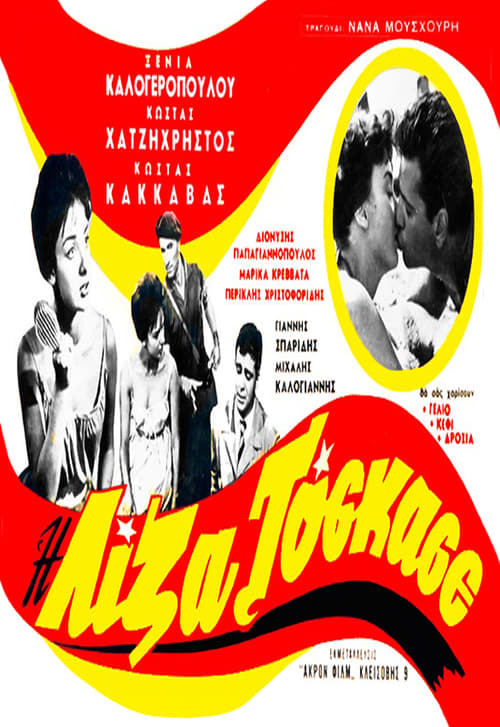
Lisa (Xenia Kalogeropoulou) runs away from her father at the Athens airport because she does not want to marry a rich man from Paris whom her father has chosen for her. She hitchhikes to the city, where she meets Giorgos (Kostas Kakkavas) a handsome driver. Then, she runs away from him as well and tries to find her mother’s brother (Iordanis), whom she has never seen before. Her father publishes her photo in the newspapers and offers a reward of one hundred thousand drachmas to anyone who finds her. Lisa is now afraid that everyone can identify her, and so, in order to hide, she mingles with a group of tourists. However, she is unaware that her uncle is their guide. Giorgos has followed her in order to find out the reason she left him so suddenly, takes her in his car one more time, and they spend the night together.
1959

1965
1994
1964
1955

1956
1963
1953
No reviews yet. Be the first to share your thoughts on this movie!
Use the rating form above to leave a star rating and optional review.