
Love Affair, or the Case of the Missing Switchboard Operator
1967
No user ratings available yet
Representation score: 5.8 out of 10

Representation Score
Fair
1964
NRDirector
Vittorio De Sica
Runtime
102 minutes
Average Rating
No ratings yetNew Showbiz Analysis
Vittorio De Sica’s work centers on the intersection of individual ability to act and systemic socioeconomic pressures. The film succeeds by challenging traditional gender hierarchies, presenting a female protagonist who leverages social capital to challenge male authority rather than remaining a passive victim. However, the film is limited by its era-specific demographic homogeneity. It lacks modern identity-based representation, specifically regarding LGBTQ+ identities and multi-ethnic casting, which keeps the overall score moderate. Ultimately, the film's strength lies in its social critique. It deconstructs institutional morality and highlights the struggle of the working class against oppressive legal and religious structures.
Category Breakdown
The film focuses entirely on heterosexual and cisgender relationships. It lacks any presence of LGBTQ+ identities or queer perspectives.
Filumena disrupts traditional gender hierarchies by acting as the primary driver of the plot. She uses intellect and pragmatic survivalism to navigate a rigid patriarchy and secure her family's stability.
The film reflects the demographic homogeneity of mid-century Naples. It prioritizes class-based identity and the gritty reality of the Italian working class over racial diversity.
The narrative critiques the Church and State as hypocritical institutions. It favors pragmatic, situational ethics over the rigid moral dogmas enforced by these traditional Western entities.
There are no significant depictions of visible or invisible disabilities within the narrative.
Present on Screen
Limited or Absent
Official Synopsis
During the bombing of Naples in World War II, a cynical businessman helps a naive prostitute, who spends the next two decades desperate to have him reciprocate her feelings.
1967

1952

1953

1966

1946

1955

2008
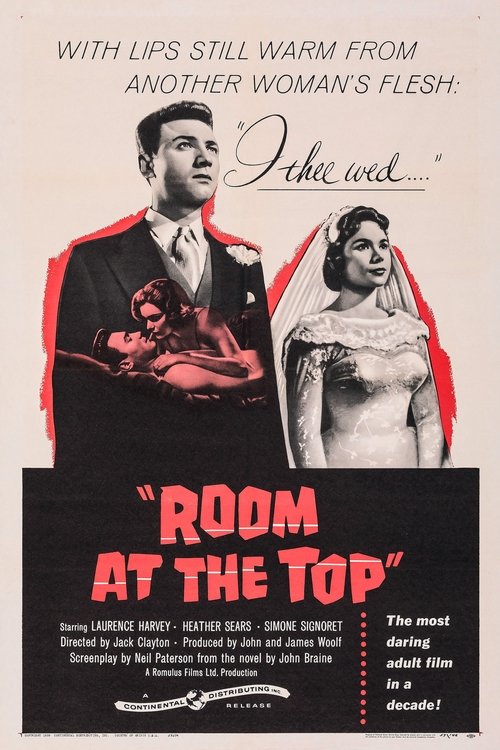
1958
No reviews yet. Be the first to share your thoughts on this movie!
Use the rating form above to leave a star rating and optional review.